

Why invest in Alpine property in 2026?
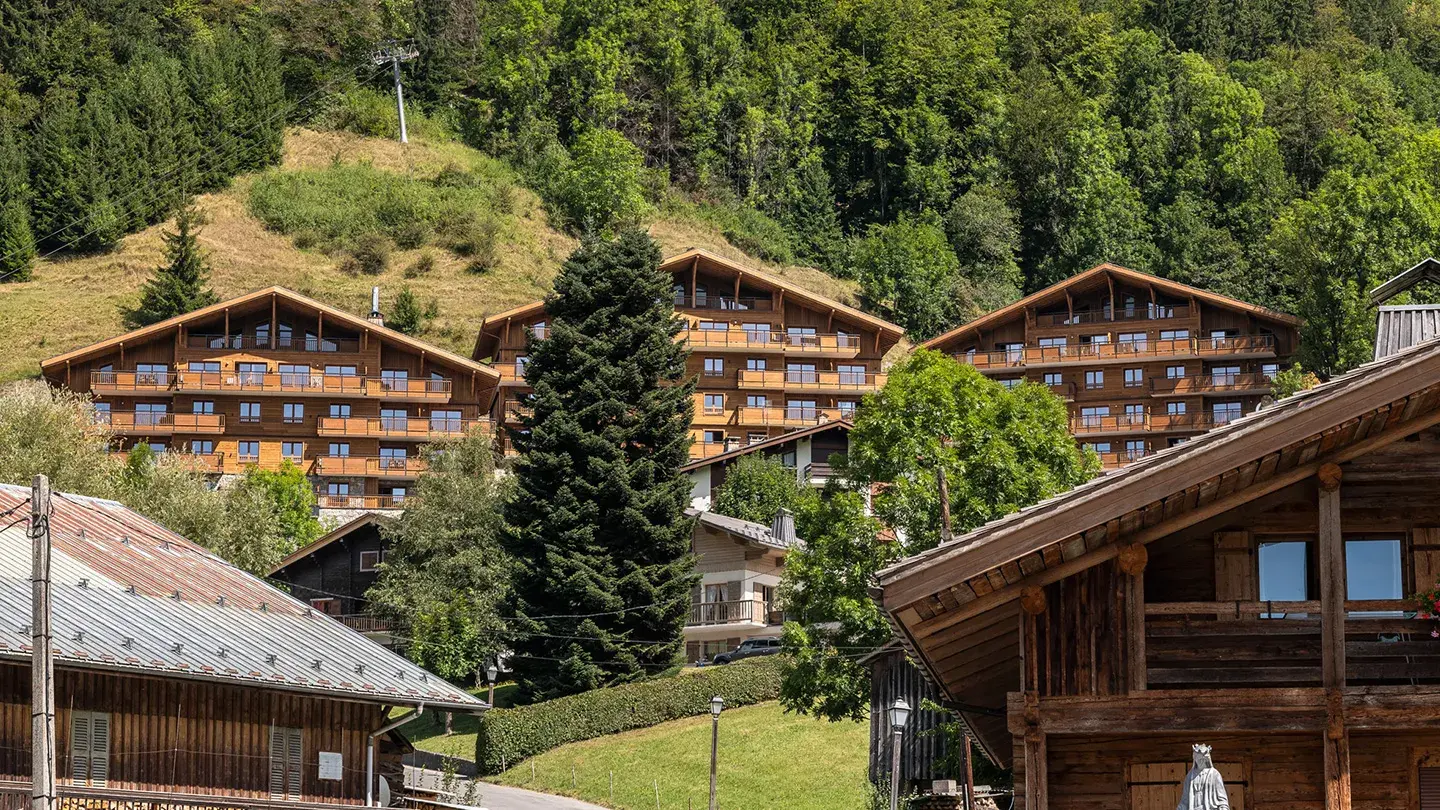
Summer and the growth of year-round tourism are increasing the appeal of resorts in the Northern Alps. Investing in Alpine property is no longer simply about buying an apartment to enjoy a few weeks of skiing. As tourism habits evolve, Alpine resorts are increasingly attracting visitors throughout the year, helping to support the long-term value of property investments.
Hiking, mountain biking, trail running, cycling, paragliding, wellness activities and sporting events are extending the seasons and transforming ski resorts into year-round destinations for outdoor activities. This shift, combined with the scarcity of development land, rising property values in the Northern Alps and increasingly stringent energy requirements, is strengthening the long-term investment appeal of high-quality properties. Here's a closer look at the key factors shaping this unique market.
Why invest in the mountains?
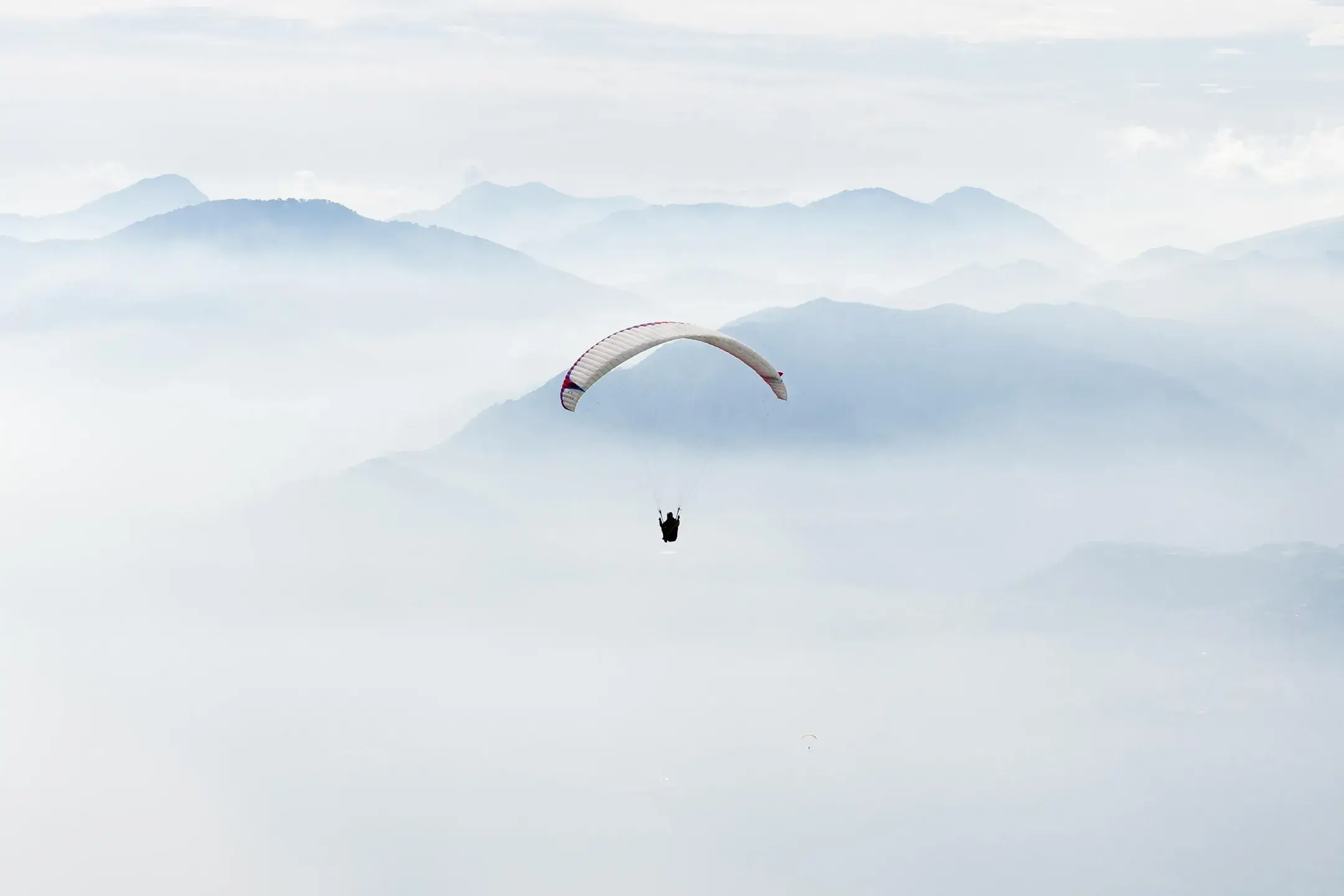
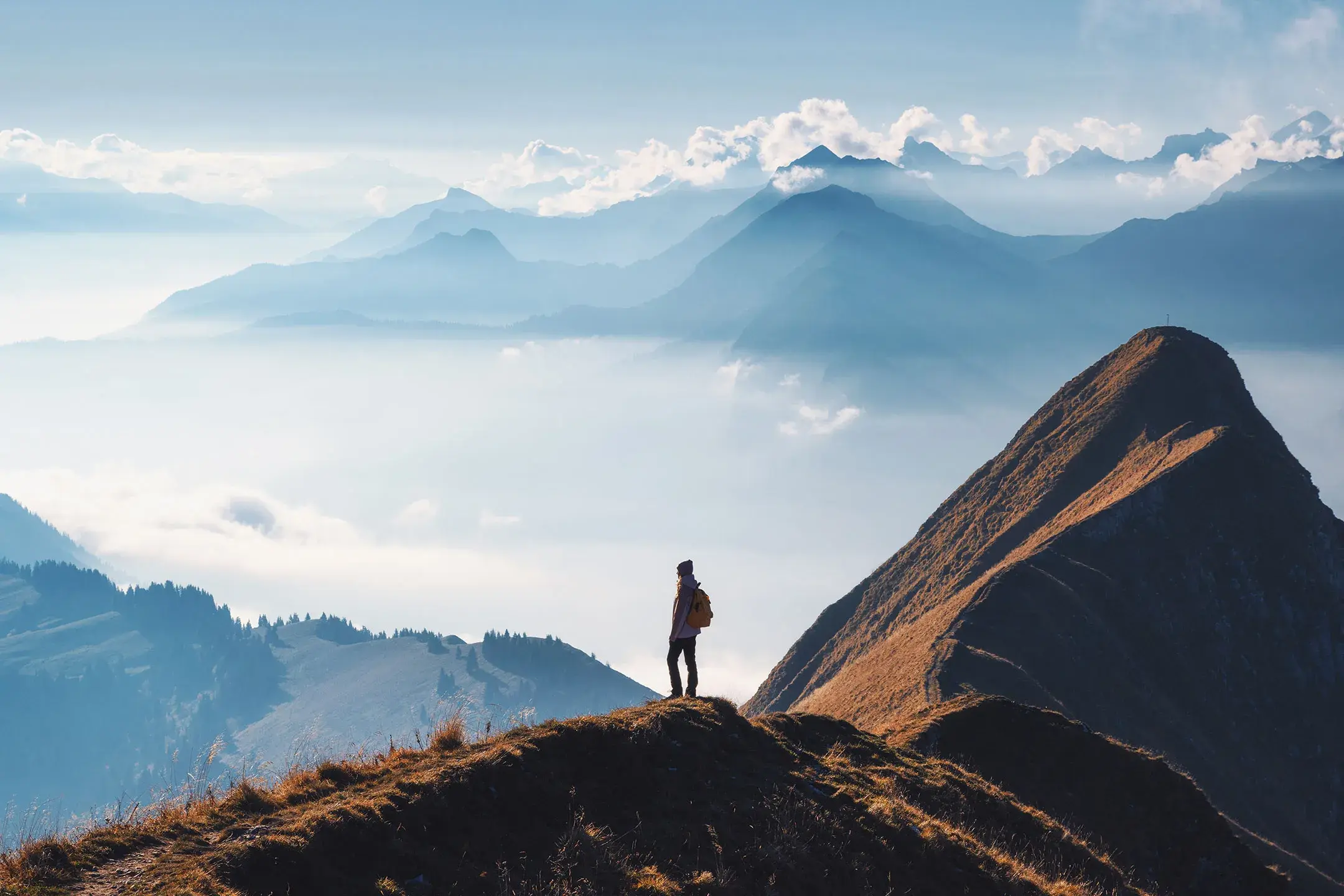


Because they can now be enjoyed all year round. The primary reason for investing in the mountains is, of course, the pleasure of spending time there. Today, that pleasure is no longer confined to winter. The transformation of Alpine resorts has accelerated significantly in recent years. While skiing remains central to the Alpine tourism economy, resorts are now adapting their facilities, lifts and natural areas to offer a genuine year-round experience.
This transformation reflects the changing expectations of visitors: spending time outdoors, staying active, reconnecting with nature, seeking cooler temperatures during the summer or simply enjoying a change of pace. This is also what Nicolas Grizard, Commercial Director at MGM Constructeur, is seeing in the market:
"buyers are increasingly looking for a place where they can relax and recharge with family or friends and want to be able to enjoy their apartment well beyond the winter season".
Buying a property in the mountains therefore remains a long-term investment, but it is also deeply connected to how the property is used, the emotions it evokes, and the experience offered by the destination. The diverse range of summer activities now available in the resorts demonstrates just how tangible this transformation has become:
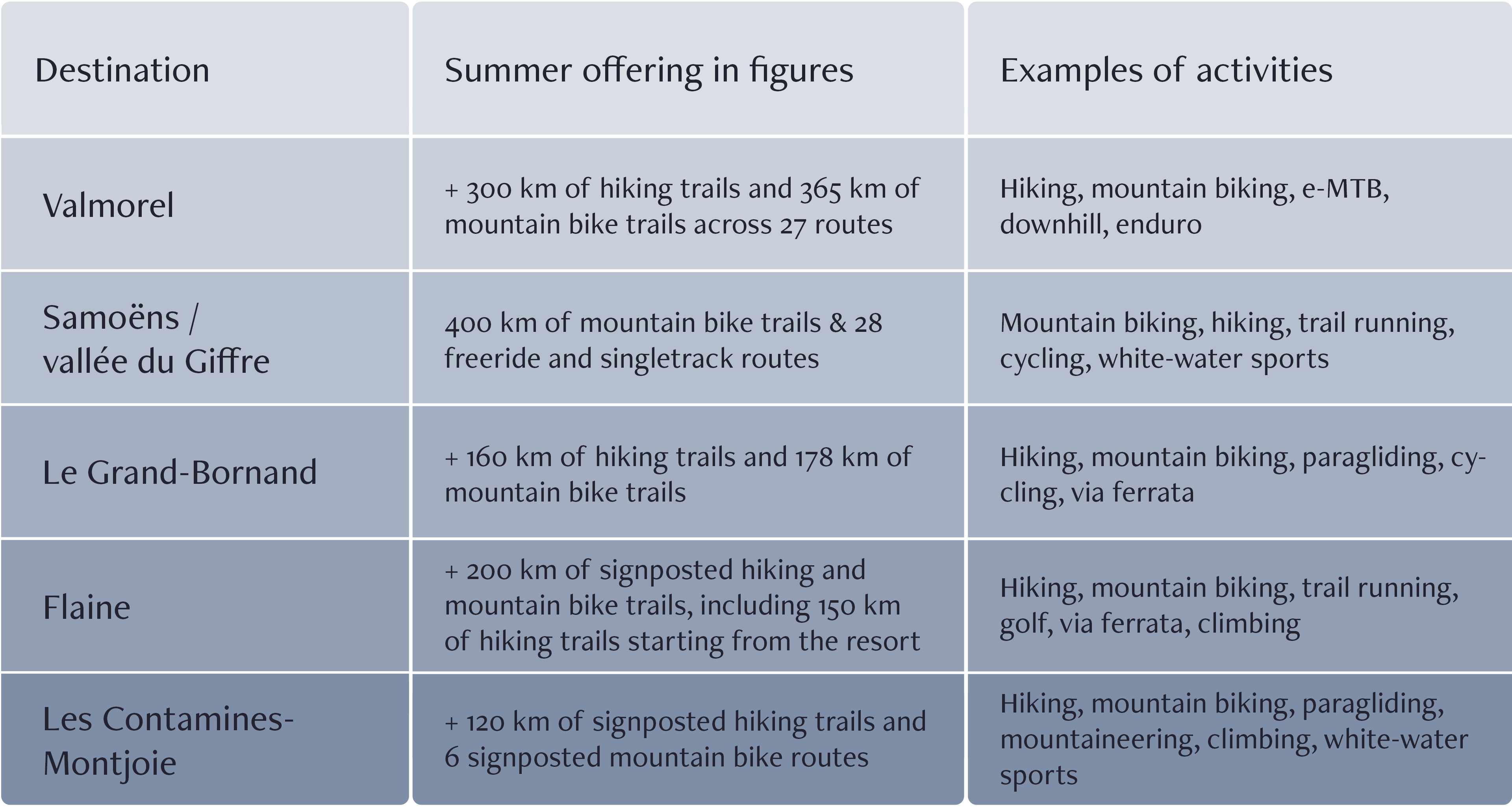
At Valmorel, the Vallées d’Aigueblanche offer more than 300 km of hiking trails. For mountain bikers, there are 365 km of signposted trails across 27 routes, catering to everything from cross-country and enduro to downhill riding.
At Samoëns, the possibilities are just as extensive, with 400 km of mountain bike trails, including 28 freeride and singletrack routes. For hikers, a new selection of 14 ready-to-use routes offers the opportunity to combine walking with summer shuttle services in the Giffre Valley.
At Le Grand-Bornand, the resort's summer offering has also expanded significantly. It has more than 160 km of signposted hiking trails and 178 km of mountain bike trails, spread across around 15 routes of varying difficulty. The Rosay gondola and Lachat chairlift operate during the summer season, providing access to hiking trails, mountain biking and paragliding.
This activity extends well beyond the traditional winter season. According to the resort's 2025 data, Le Grand-Bornand records 1.85 million overnight stays by tourists each year, with 47% taking place in summer and 53% in winter. This balance provides a clear illustration of the growing importance of year-round tourism in the Alps.At Flaine, more than 200 km of signposted hiking and mountain bike trails can be explored in and around the resort. The Grandes Platières gondola operates in July and August, allowing both hikers and mountain bikers to reach higher altitudes.
At Les Contamines-Montjoie, the more than 120 km of signposted hiking trails are particularly noteworthy, with the resort also forming part of the legendary Tour du Mont-Blanc. The summer offering includes six signposted mountain bike routes, as well as paragliding, mountaineering, climbing and white-water sports.
In short, mountain resorts have evolved into year-round outdoor playgrounds.
Across the Northern Alps, the infrastructure for summer activities is now sufficiently developed to make summer tourism a genuine second driver of tourism alongside the traditional winter season.
Does year-round tourism affect the value of a property investment?


For property owners, this diversification offers clear benefits: it provides more opportunities to enjoy their apartment personally and helps extend the periods during which the destination attracts visitors. It also contributes to the economic vitality of the resorts. A more evenly distributed flow of visitors throughout the year helps support local shops, restaurants, services, events and leisure facilities.
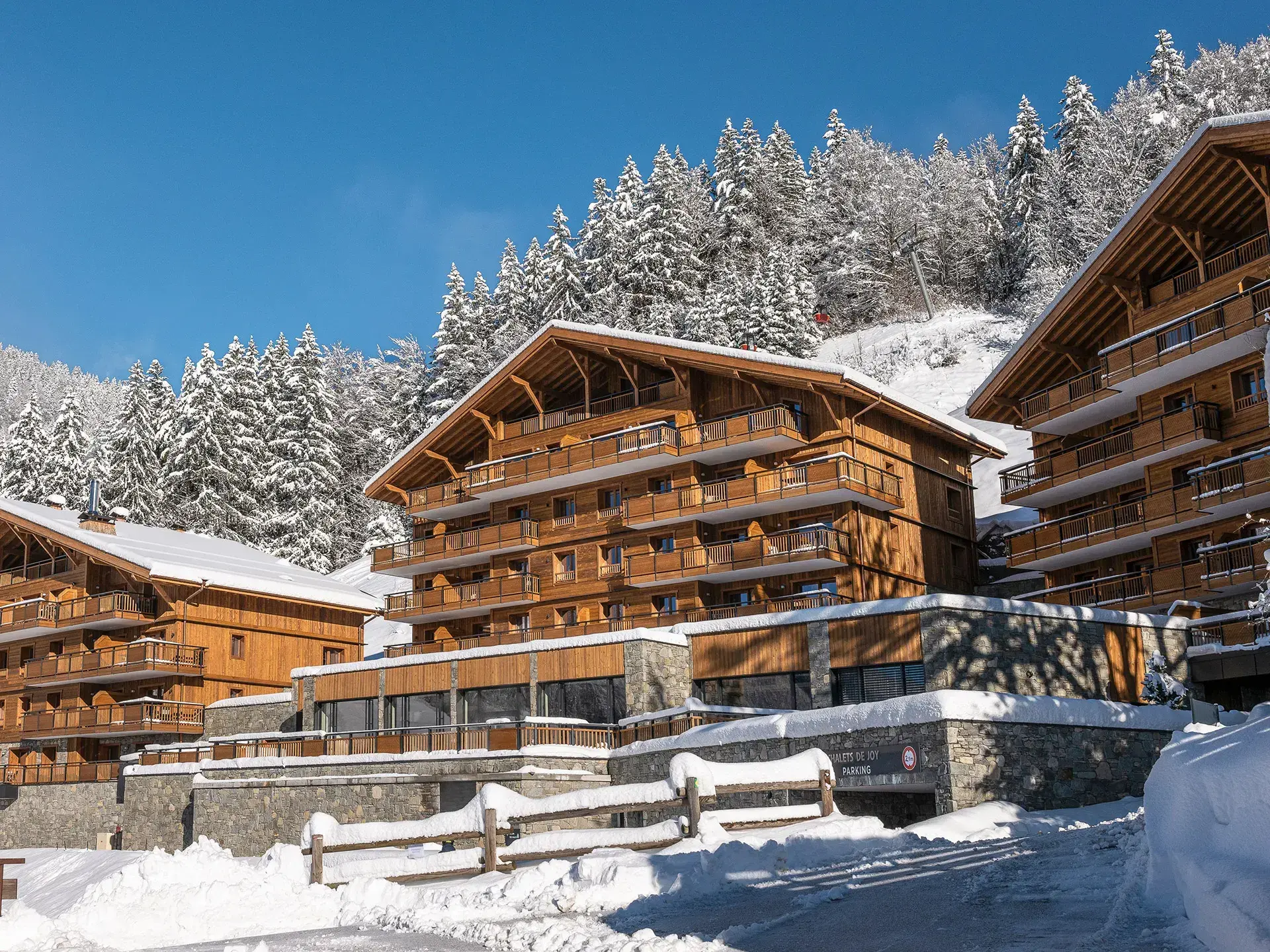
For tourist residences in particular, this dynamic takes on an added significance. MGM residences operate in both winter and summer, helping to maintain a regular flow of visitors to the resorts and support their local economies. For local authorities, this means having tourist accommodation that is actively occupied, rather than properties that remain empty for much of the year.
The rise of year-round tourism in the mountains therefore brings a new perspective to property investment. Altitude and the number of kilometres of ski pistes are no longer the only criteria. A destination's ability to offer a wide range of summer activities, keep its lifts operating, host events and make use of its infrastructure across several seasons is becoming equally important.
This transformation is all the more significant given that property market figures already demonstrate the strong appeal of the Northern Alps. According to the French Notaires, 55% of sales of resale apartments in French ski resorts are concentrated in the Northern Alps.
Over the past ten years, prices for resale apartments in resorts across the region have risen by approximately 50%.
For the twelve months to the end of September 2025, the median price of resale apartments in the Northern Alps stood at around €5,300 per m², compared with approximately €3,000 per m² in the Southern Alps. In certain premium destinations such as Courchevel, Val d’Isère and Les Allues, prices even exceed €10,000 per m².1
While these figures relate to the resale market, they nevertheless reflect the level of property demand and the strong attraction of Alpine resorts, providing a useful indication of the potential of investing in mountain property.
What makes new-build property particularly attractive in the mountains?
This tourist appeal is compounded by a structural characteristic: in the Alps, land for development is in short supply.
The mountainous terrain, protected natural areas and planning restrictions, combined with policies to limit further development, inevitably restrict the scope for new construction. In the most sought-after resorts, well-located sites with easy access to the centre, ski slopes and summer activities, are therefore increasingly scarce and difficult to replicate.
At a national level, the supply of new-build property also remains constrained. While these figures relate to the wider national market rather than the mountain property market specifically, they nevertheless demonstrate the relative scarcity of new-build property in an Alpine market where opportunities for development are already particularly limited.
The proportion of second homes is another indicator of the distinctive nature of these areas. According to INSEE, Savoie had 367,080 homes in 2023, of which 37.1% were second homes or occasional-use properties. In Haute-Savoie, this figure stood at 23.4%, out of a total housing stock of 557,563 properties. By comparison, second homes and occasional-use properties account for just 9.8% of the housing stock in mainland France.
This distinctive characteristic is even more pronounced in certain mountain areas. In the arrondissement of Bonneville, which includes resorts such as Chamonix-Mont-Blanc, Megève, Flaine, Samoëns and Les Gets, 38.5% of properties are second homes or occasional-use properties. In the Vallées de Thônes, which includes Le Grand-Bornand, they account for as much as 58.7% of the total housing stock.
These figures highlight the significant scale of the holiday property market in the Northern Alps and the enduring appeal of these areas to second-home buyers2.
Why is the energy performance of new-build property becoming a key consideration in the mountains?
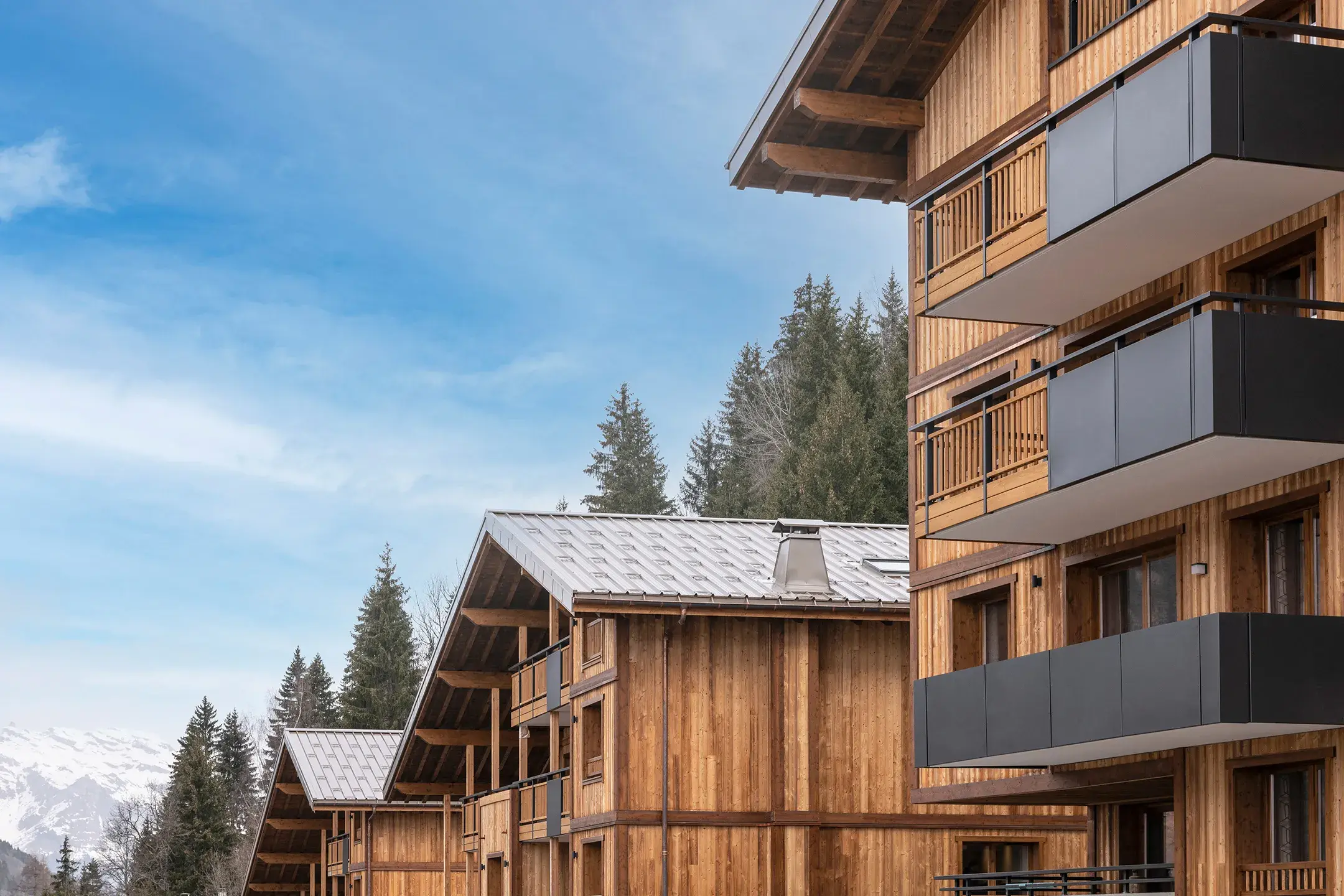
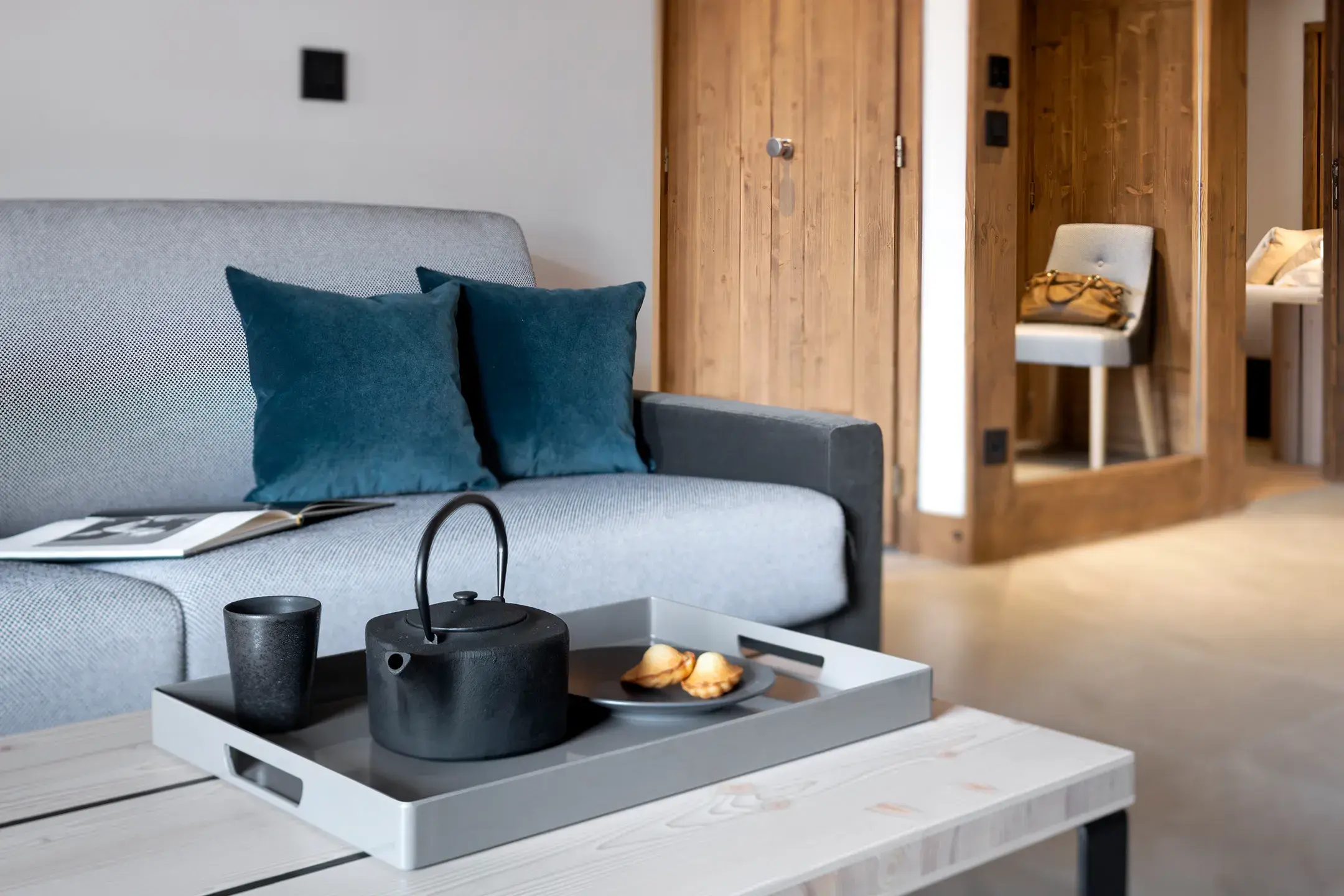

Because today's new-build properties offer significantly higher standards of construction and energy efficiency. A significant proportion of the housing stock in Alpine resorts was built during the tourism boom of the second half of the 20th century. As energy-efficiency requirements become increasingly stringent, the age of a property, its insulation, equipment and energy consumption are becoming key considerations for buyers.
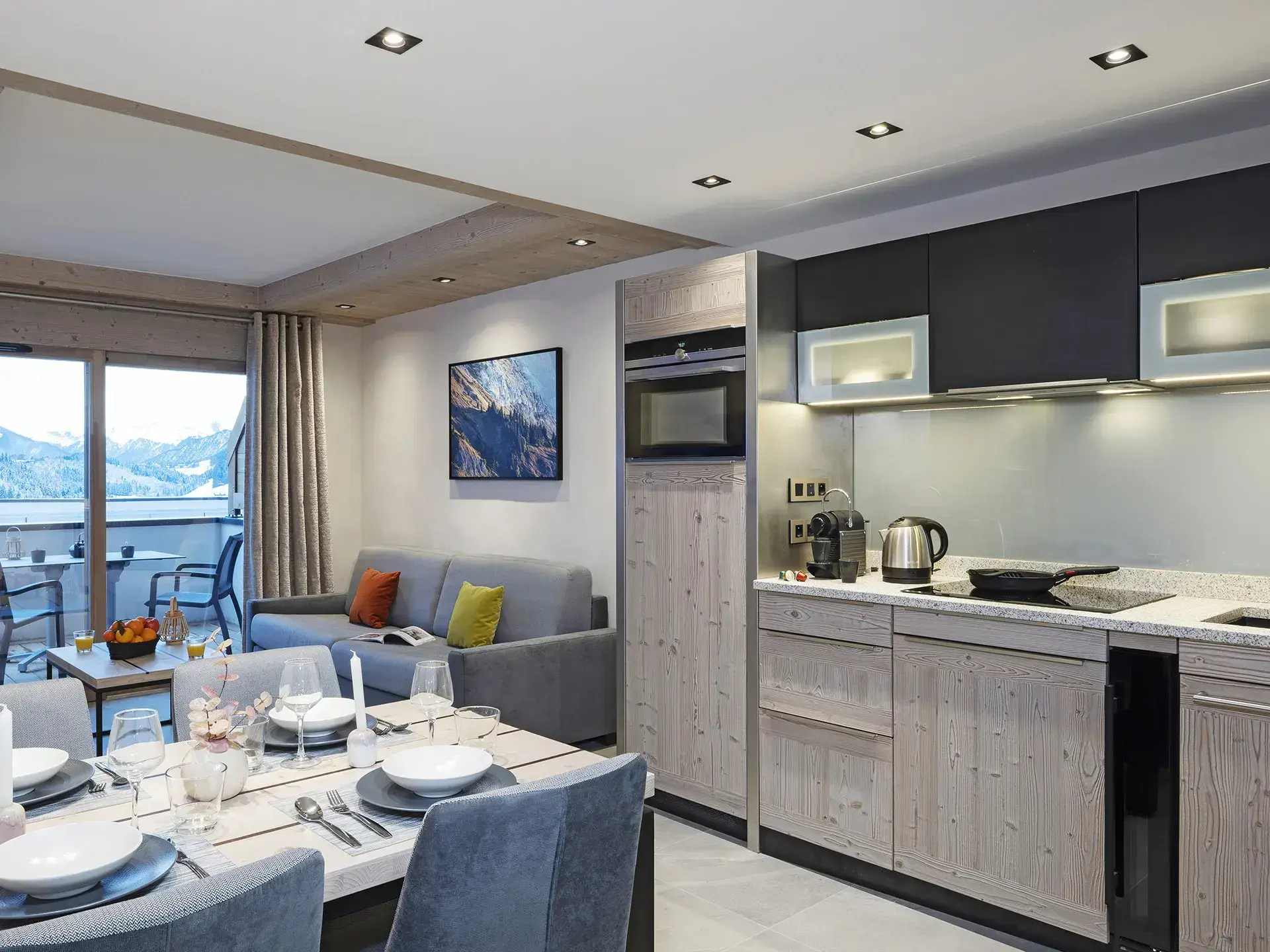
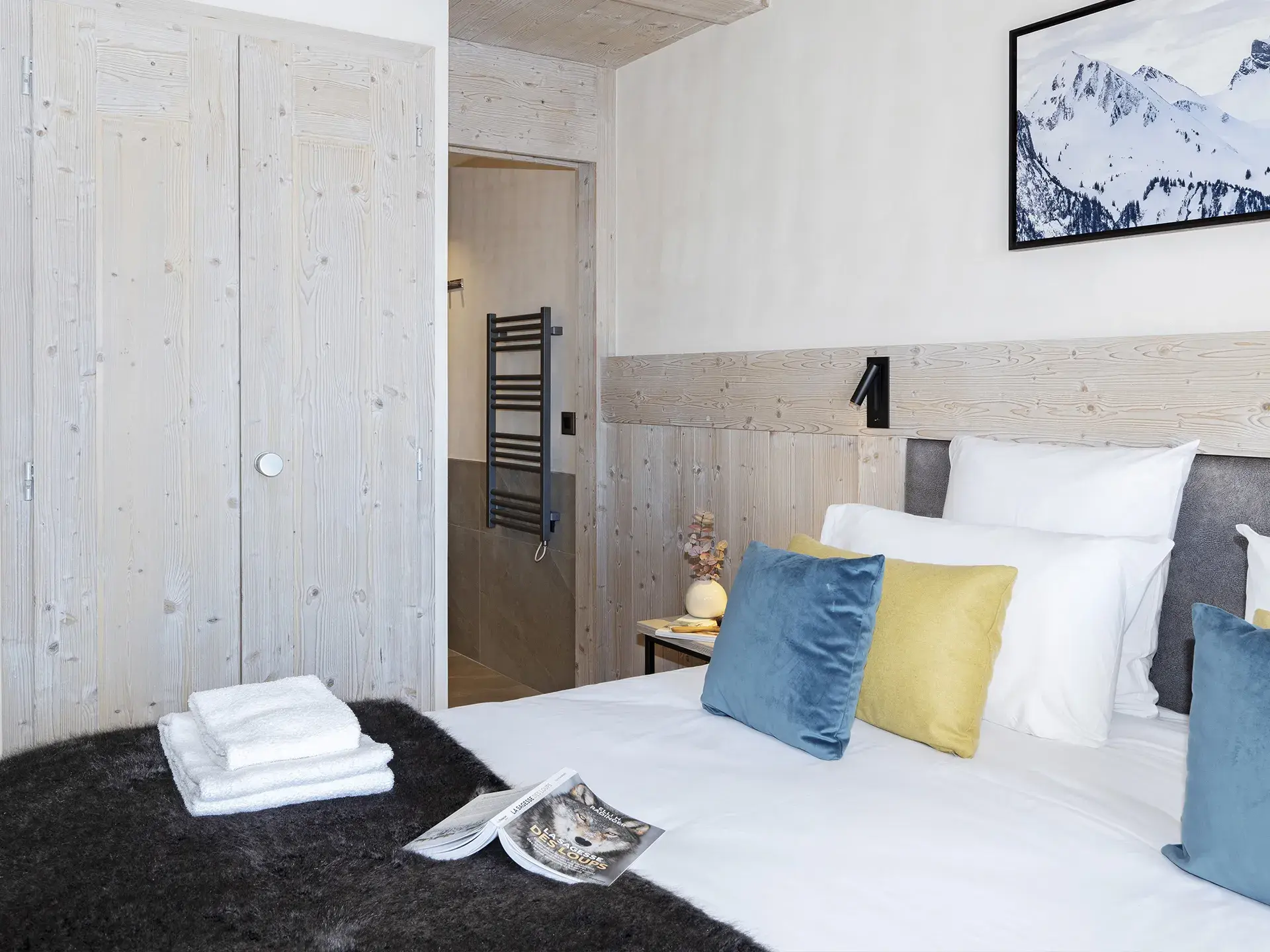
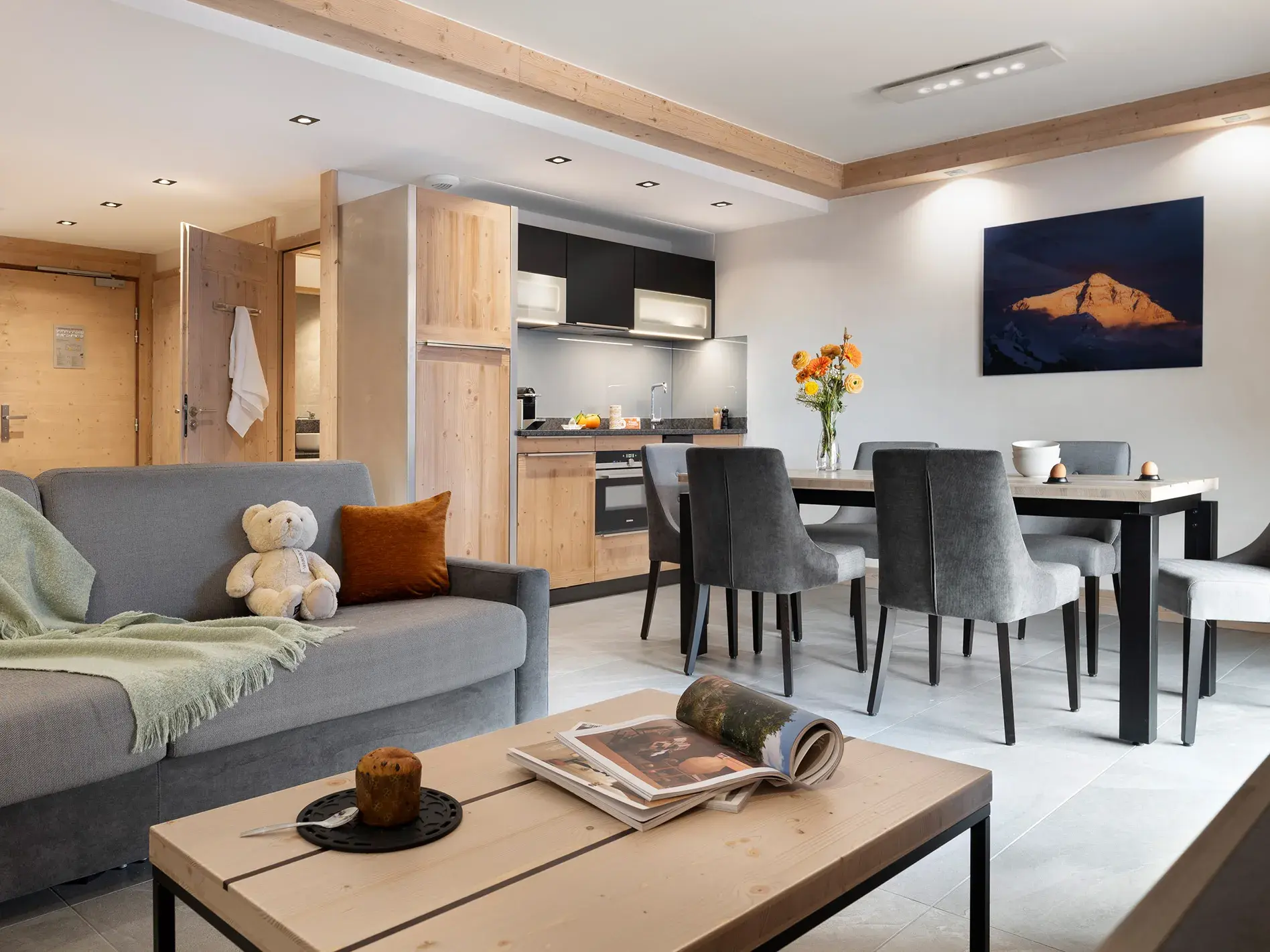
For a buyer, choosing a new-build property means benefiting from current standards of thermal and acoustic comfort from the moment of purchase, avoiding major renovation works and having modern fixtures and systems suited to more frequent use of the property.
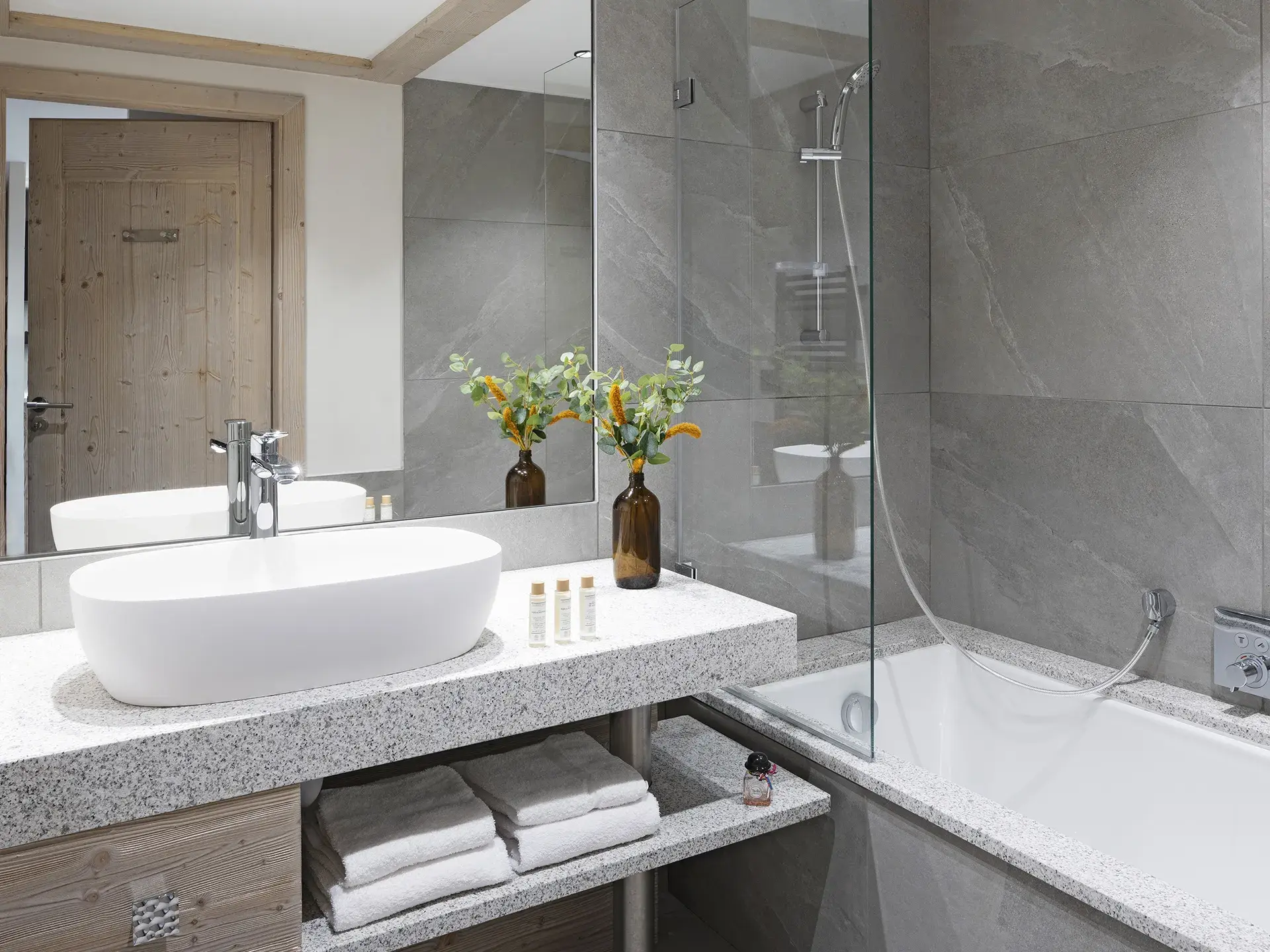
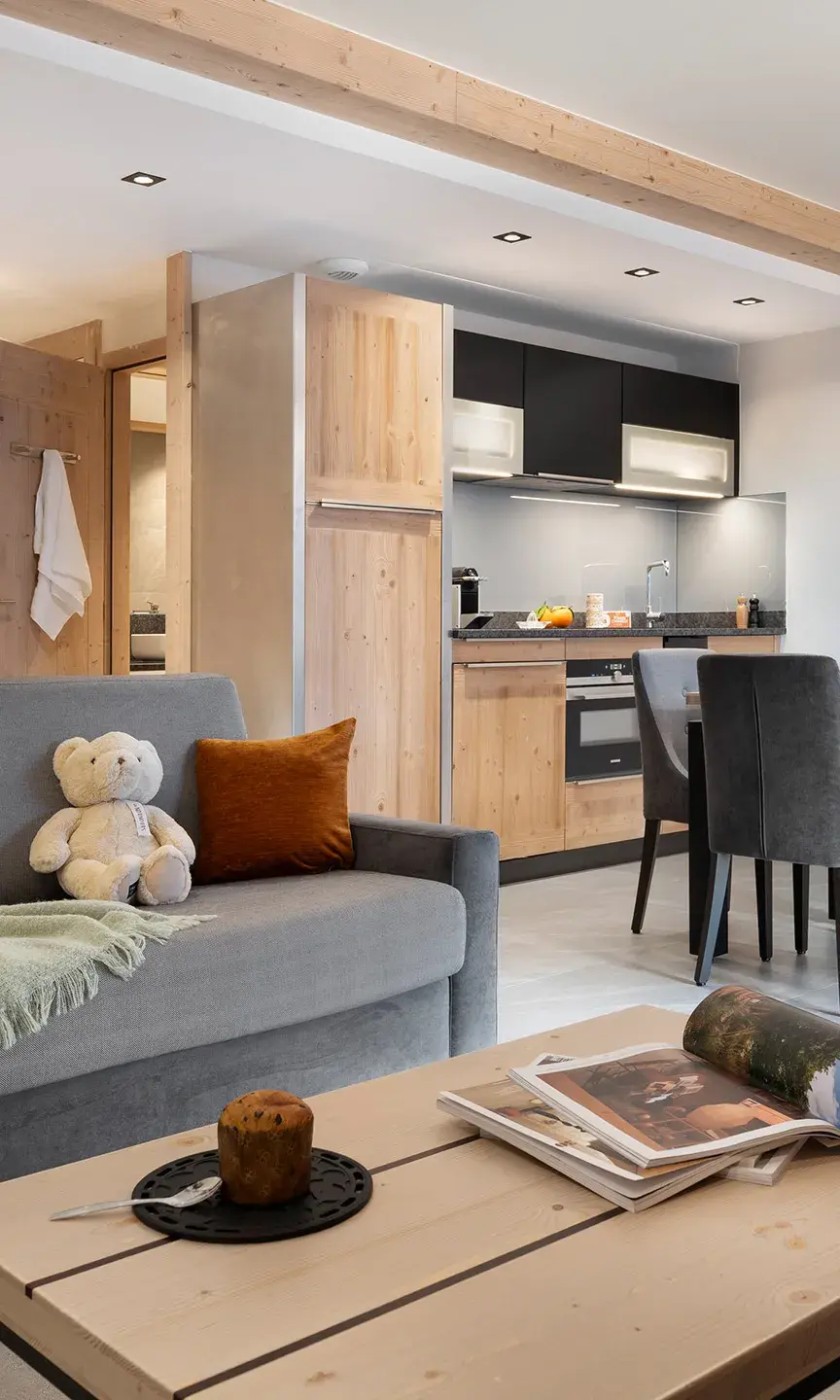
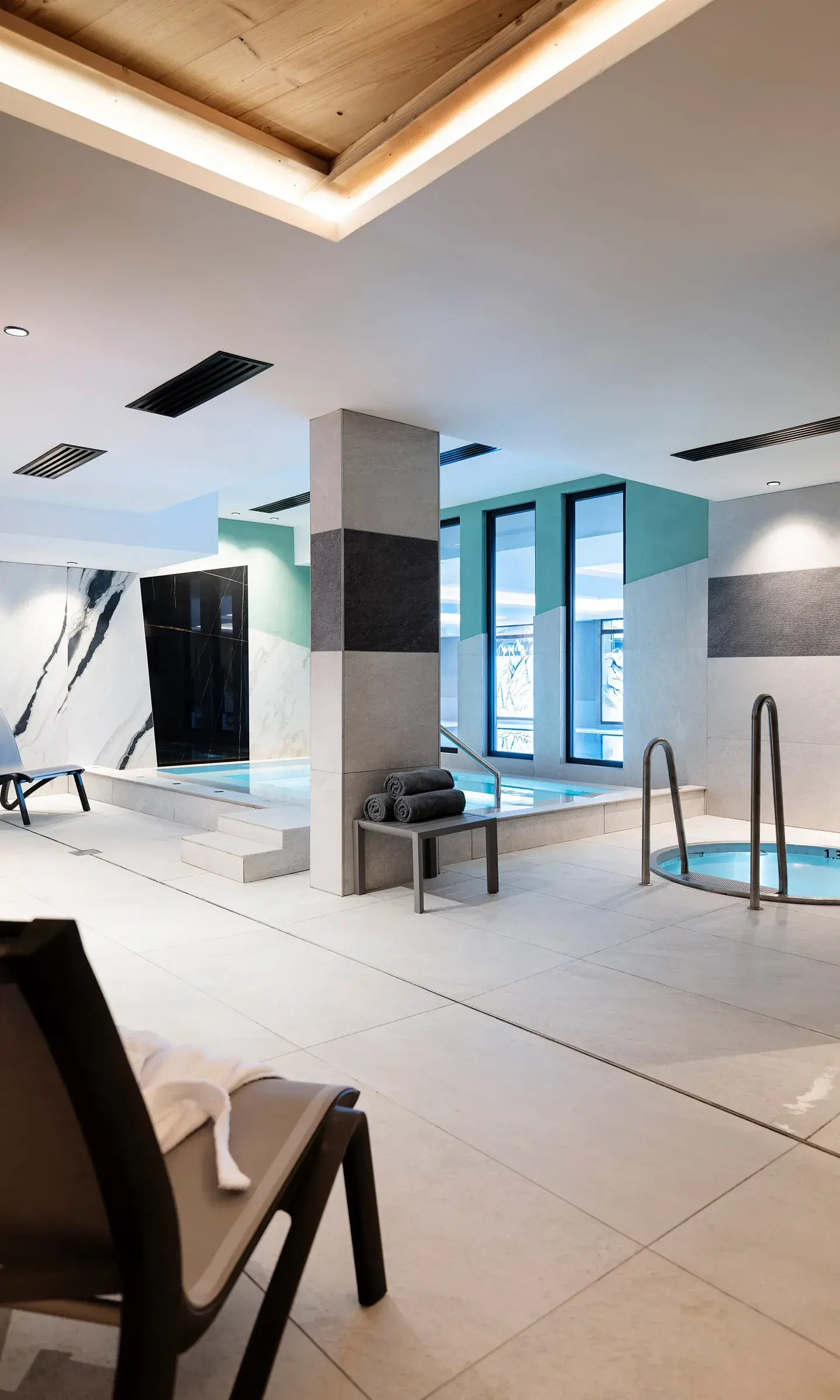
This trend is also reflected in the preferences observed by MGM Constructeur. Buyers are increasingly looking for more generous spaces and apartments designed to be enjoyed as more than simply a place to stay. In MGM residences, around 800 m² of wellness facilities, including a heated indoor swimming pool, sauna, steam room, hot tubs and fitness room, reinforce this approach, supporting use of the properties throughout the year.
Why does mountain property remain an attractive long-term investment in 2026?
Ultimately, all the figures point to the same underlying trend. The mountains remain a distinctive property market, combining scarcity of prime locations, strong tourism demand, lifestyle appeal and long-term investment value. But the nature of that appeal is changing, it depends less on snow alone and increasingly on the ability of resorts to attract visitors and residents throughout the year.
For buyers, the question is therefore no longer simply, “Which resort should I invest in?” It becomes, “Which destination can maintain its appeal in every season, and which property will continue to meet future needs?”
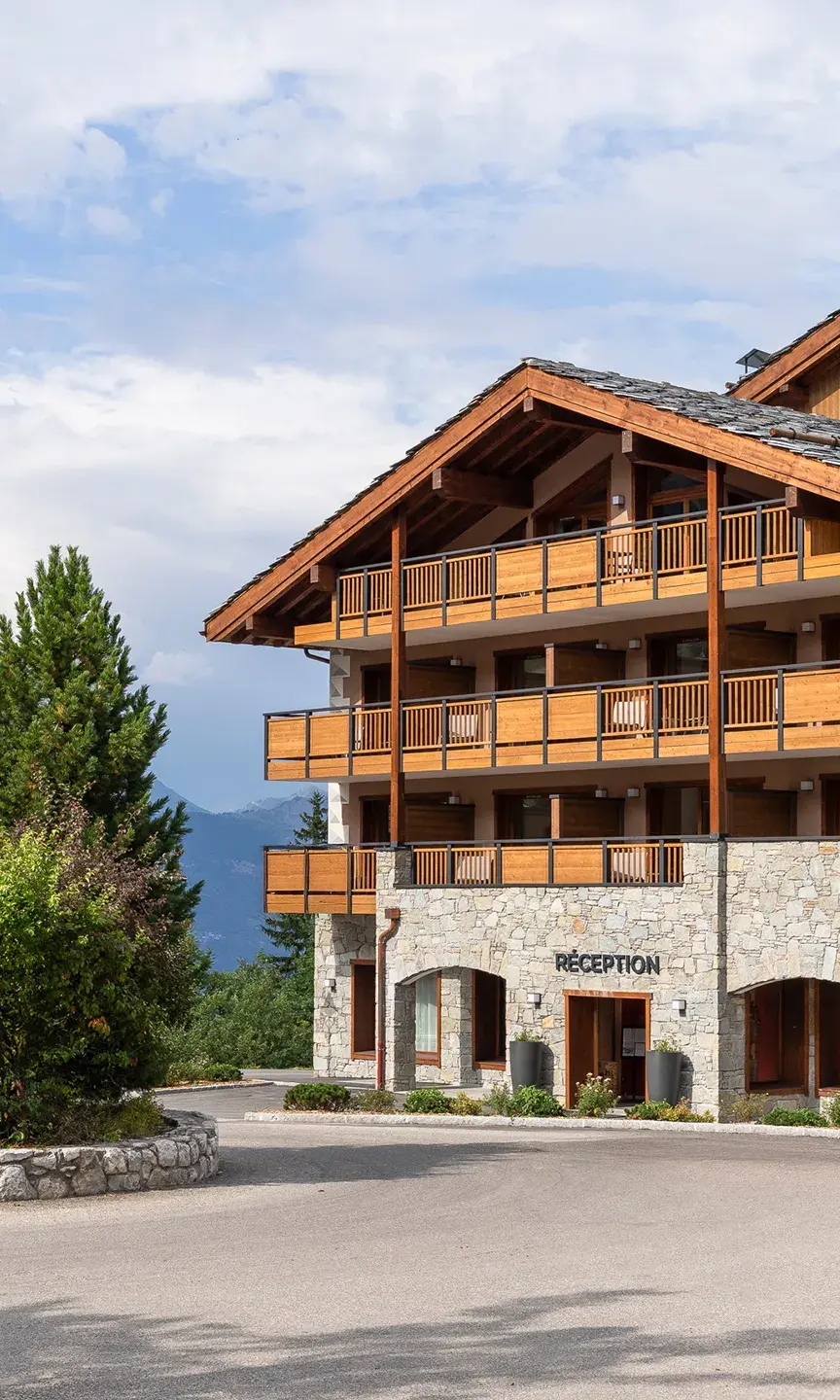
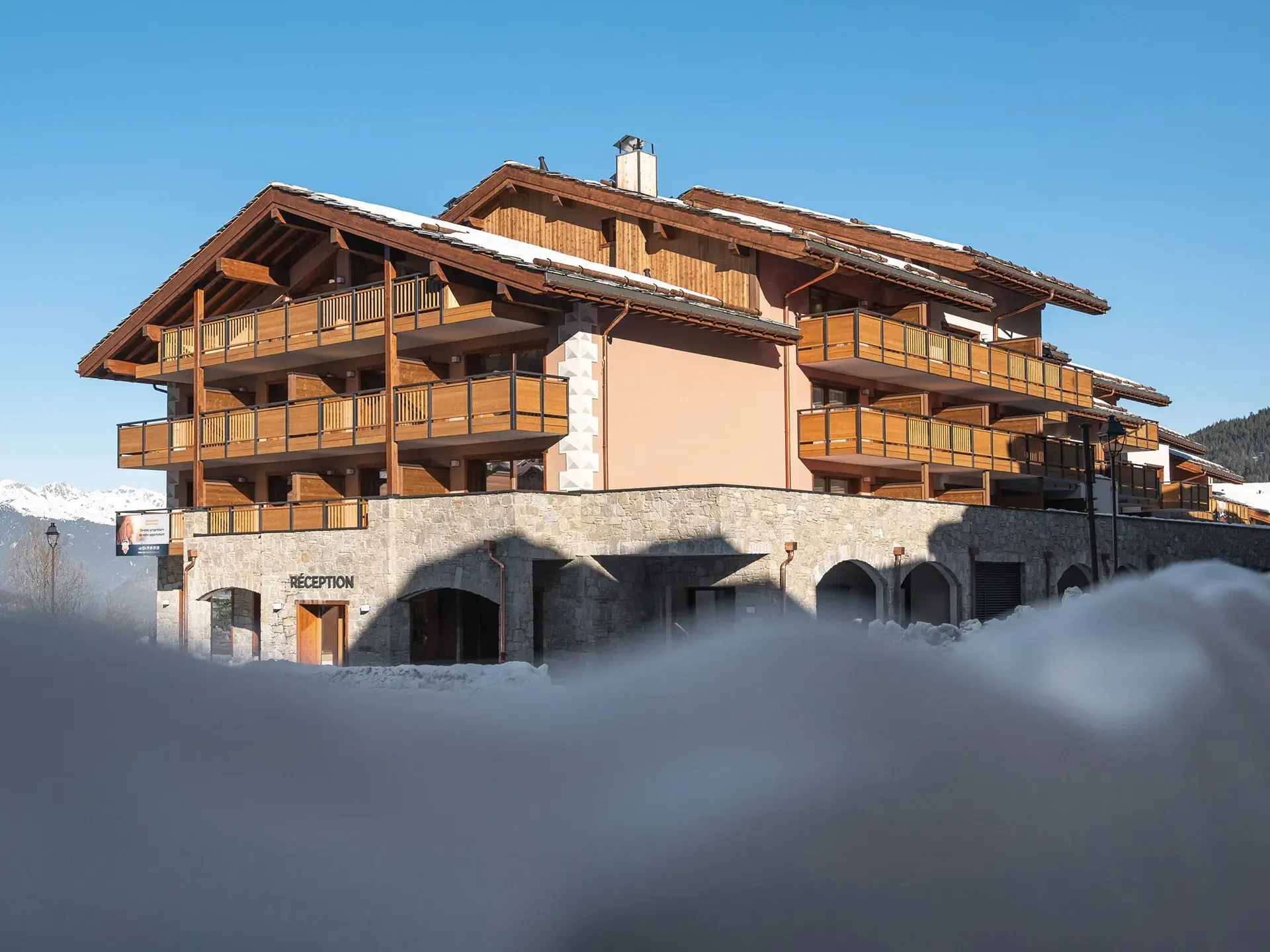
This is precisely the approach of MGM Constructeur. For more than 60 years, the group has selected resorts in the Northern Alps renowned for their natural surroundings, vitality and ability to offer a complete mountain experience. Prime locations, architecture that blends seamlessly with the surroundings, quality materials, comfort, services and facilities designed for both winter and summer, give a mountain property investment a dual purpose: a long-term asset and a place to be enjoyed throughout the seasons.
Investing in the mountains in 2026 is therefore less about investing in a season and more about investing in a destination: a mountain environment that has evolved into a year-round, vibrant and attractive proposition.




Sources :
1 Notaires de France, data relating to resale apartments in ski resorts, for the twelve months to the end of September 2025.
2 INSEE, 2023 Population Census, main statistical analysis, data by geographical area as of 1 January 2026.
Discover MGM's tourist residence programmes
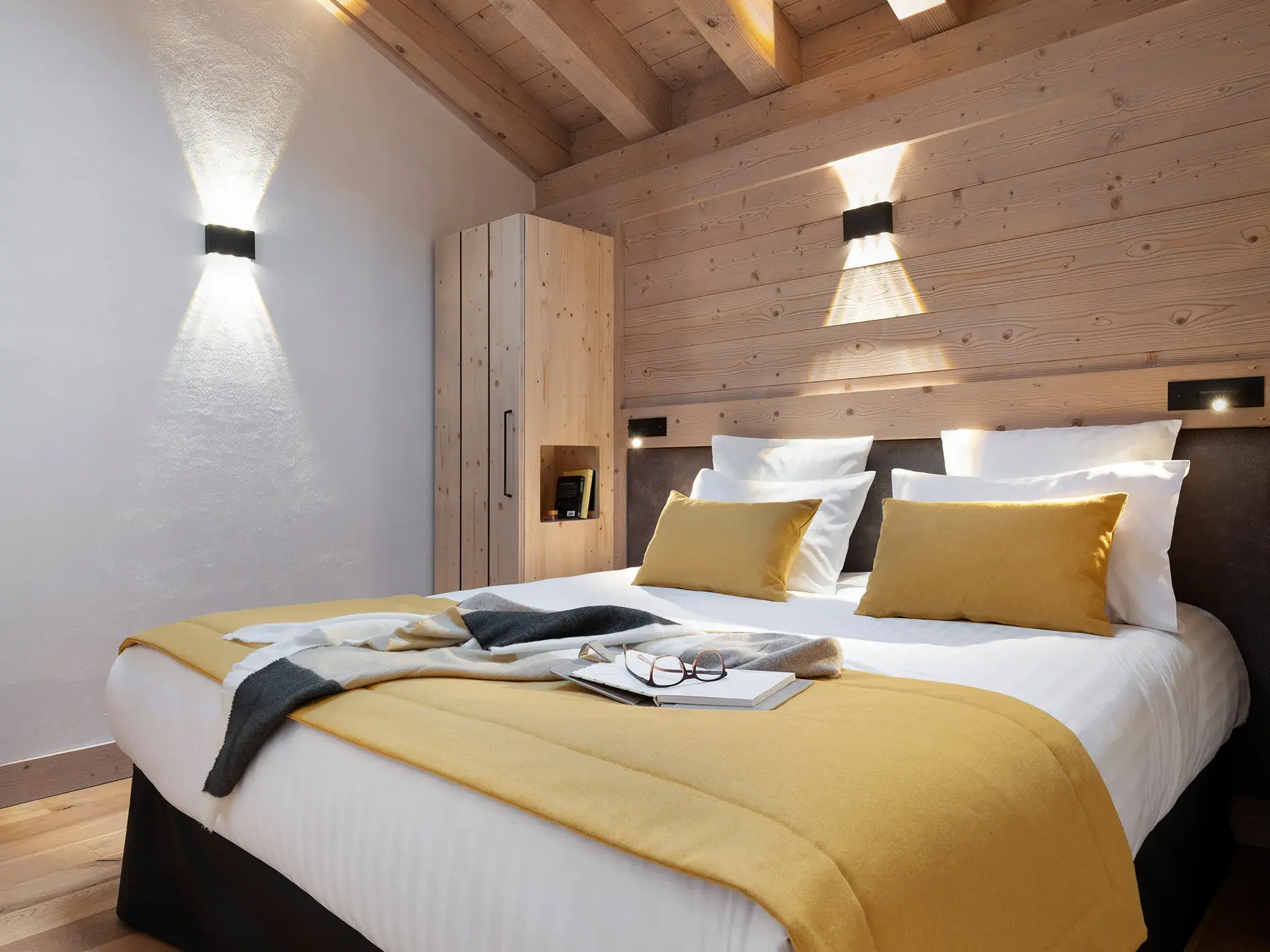
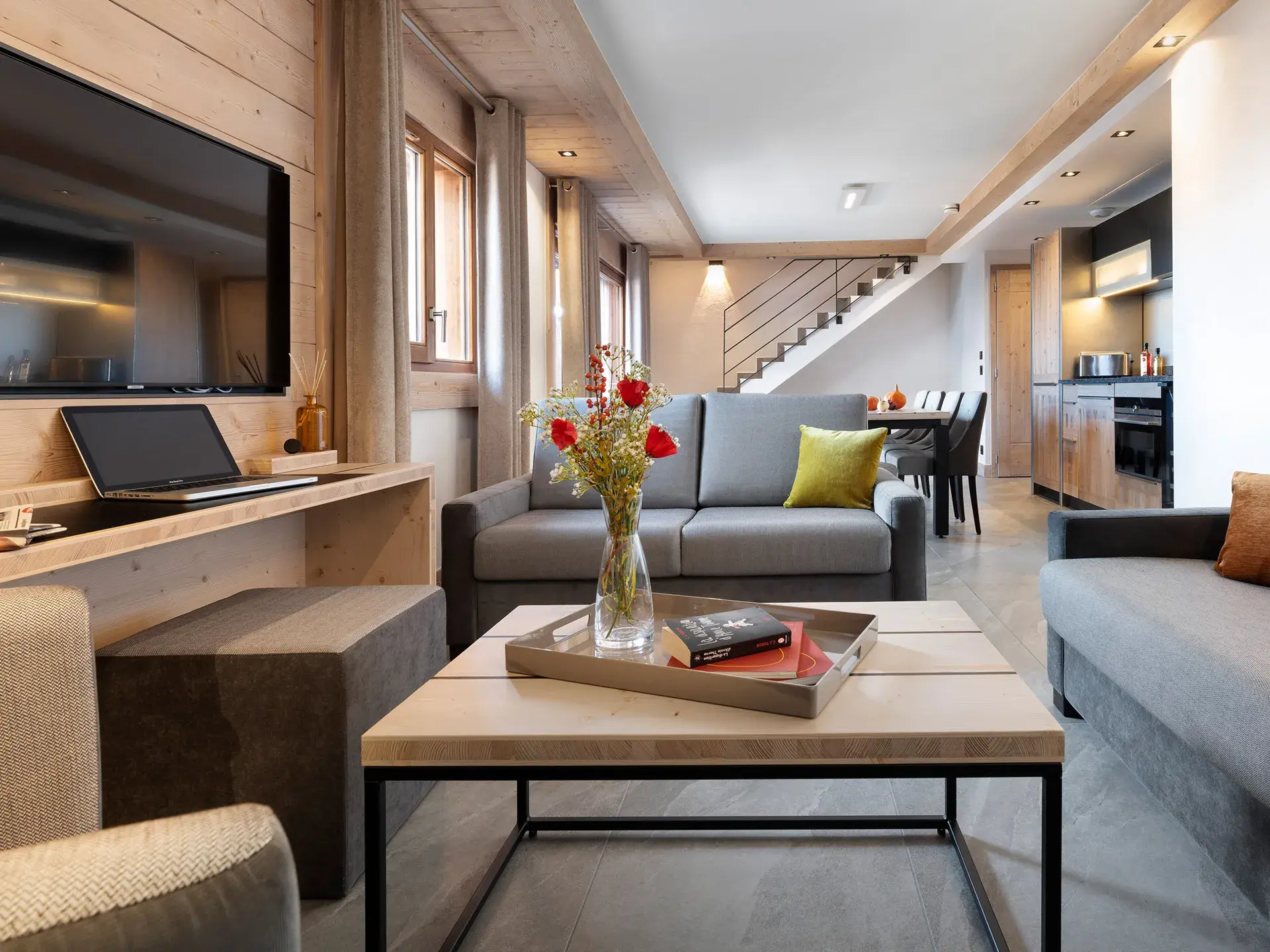
Valmorel (73)
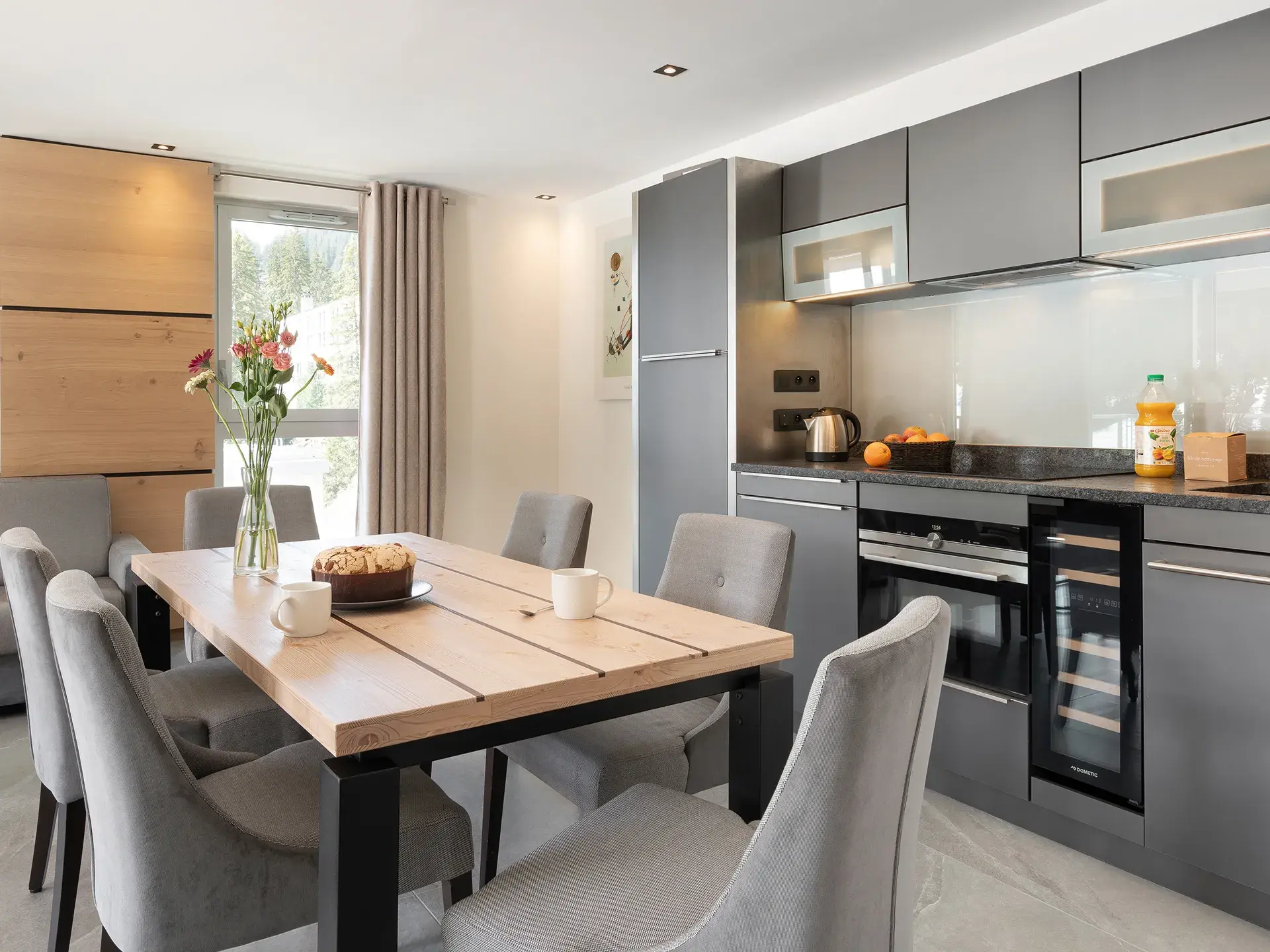
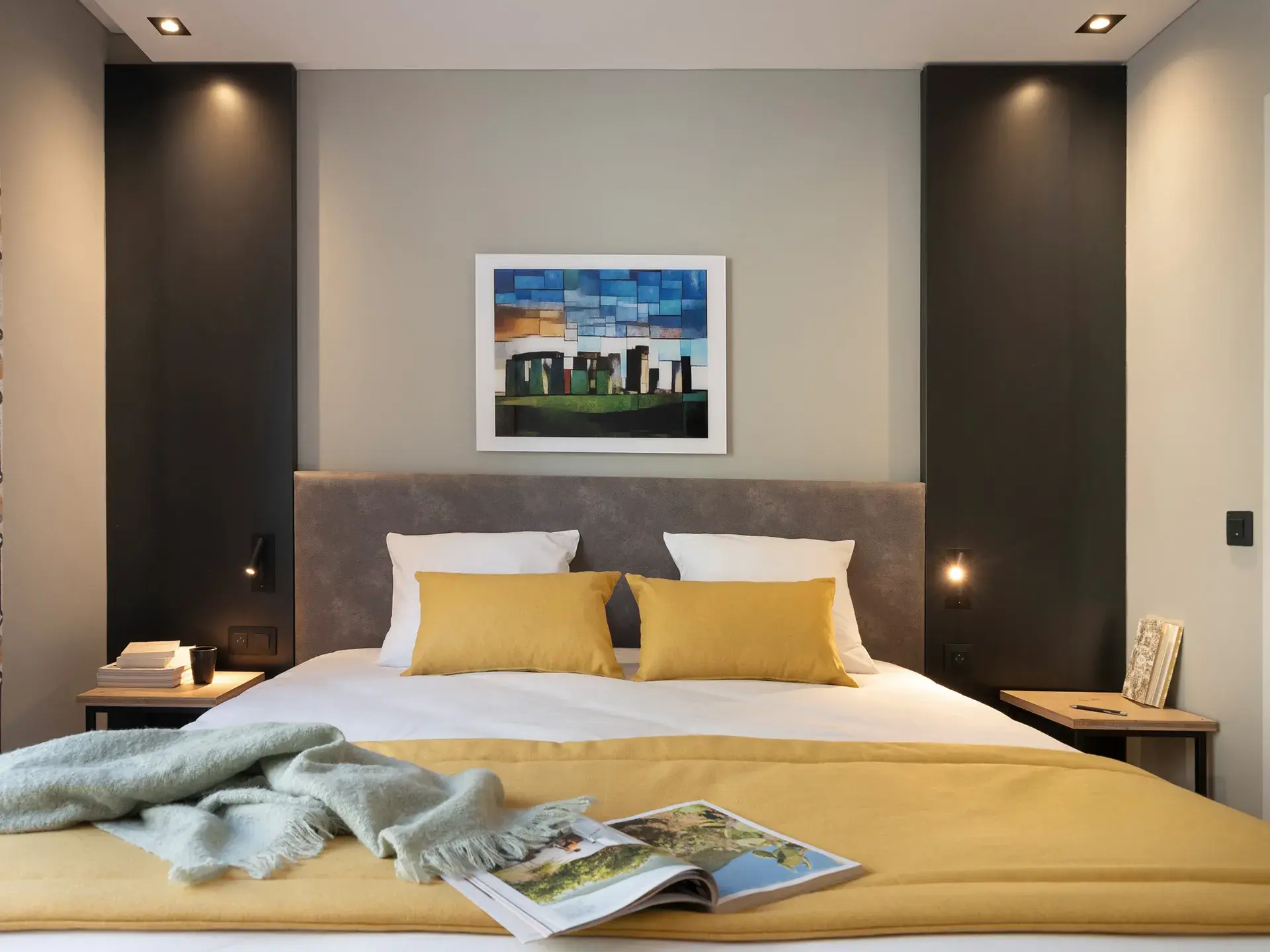
Residence Akoya
From 2-bedroom to 4-bedroom Duplex
From 400 834 € excl. VAT
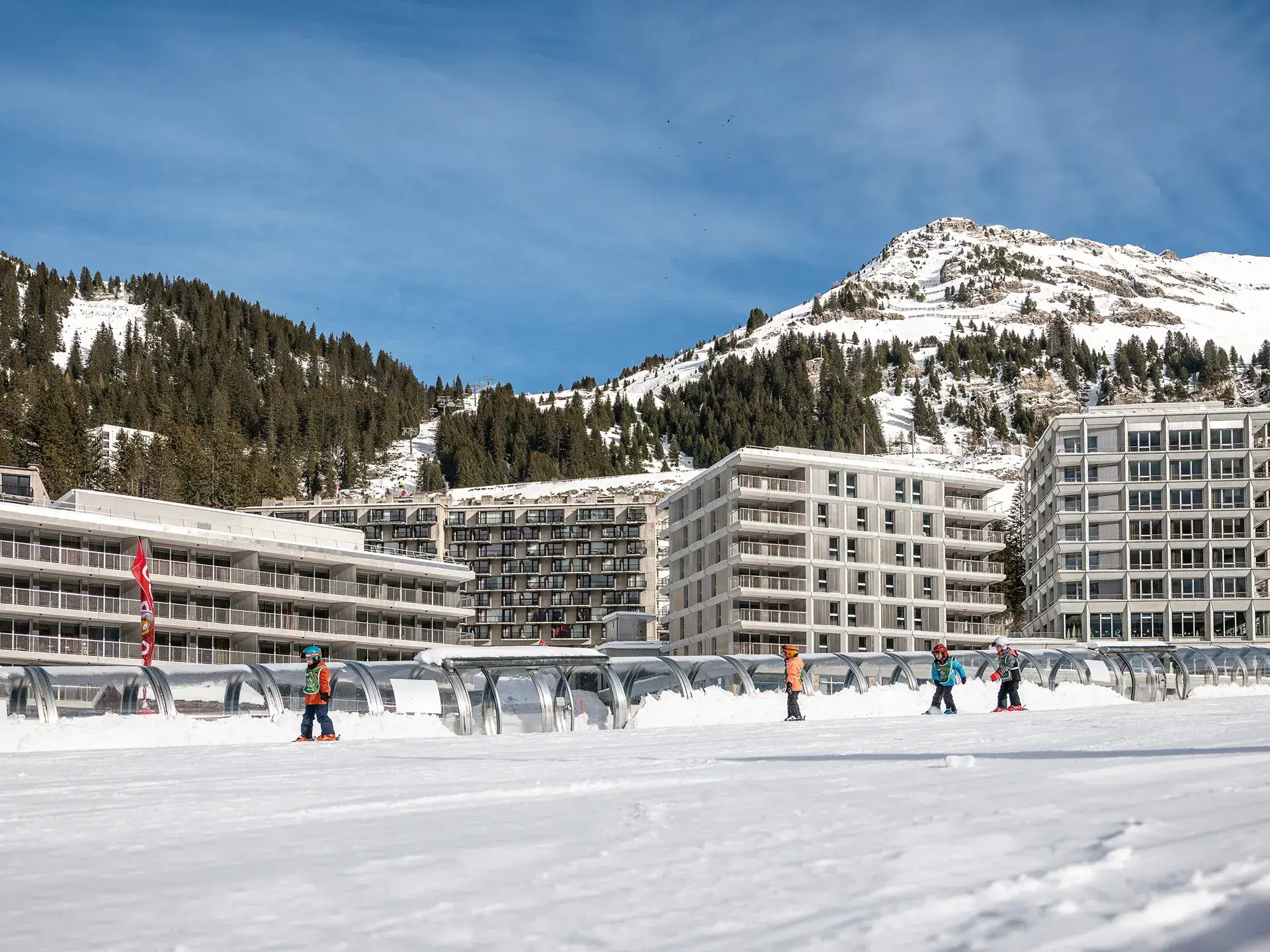
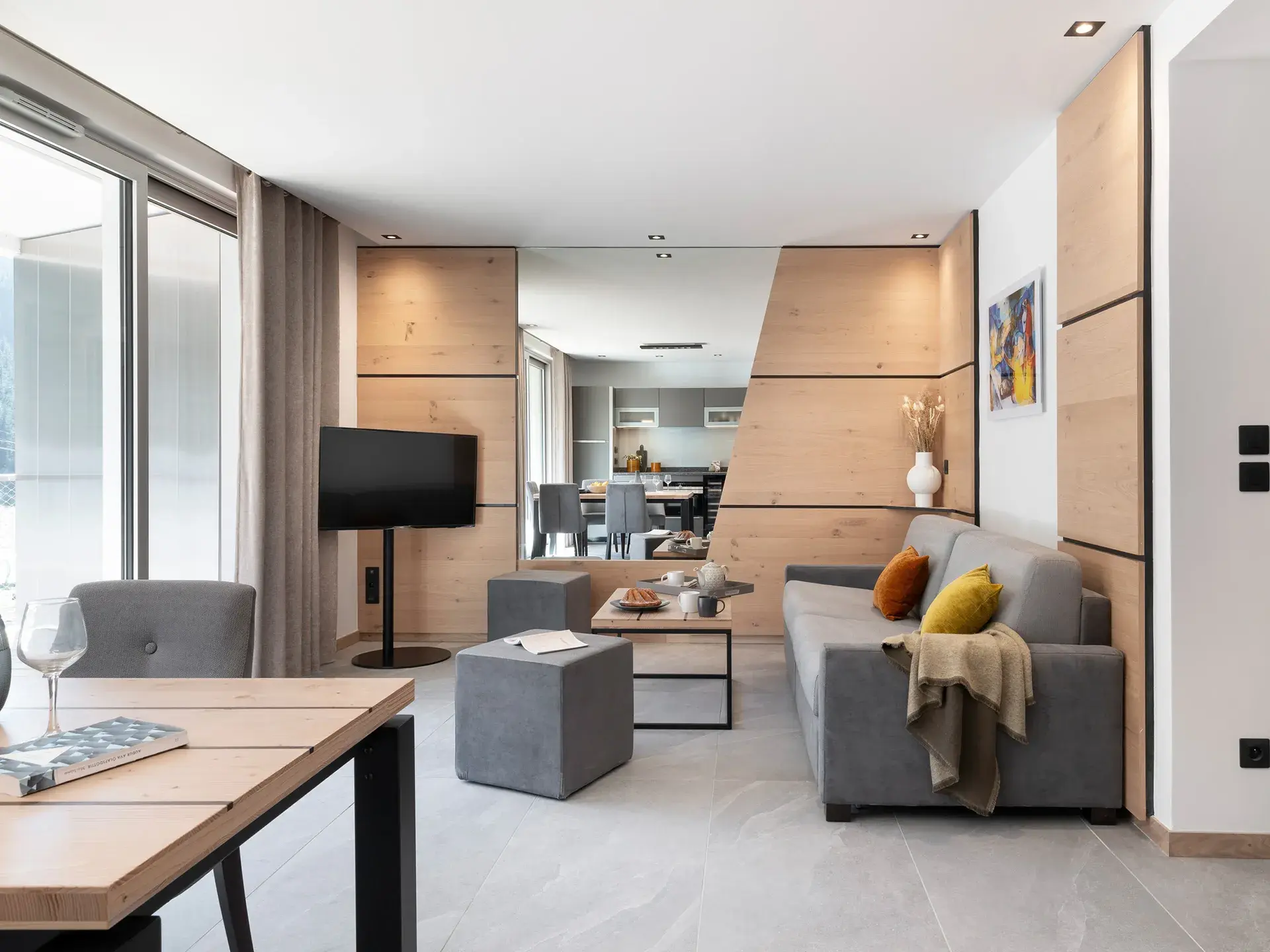
Flaine (74)
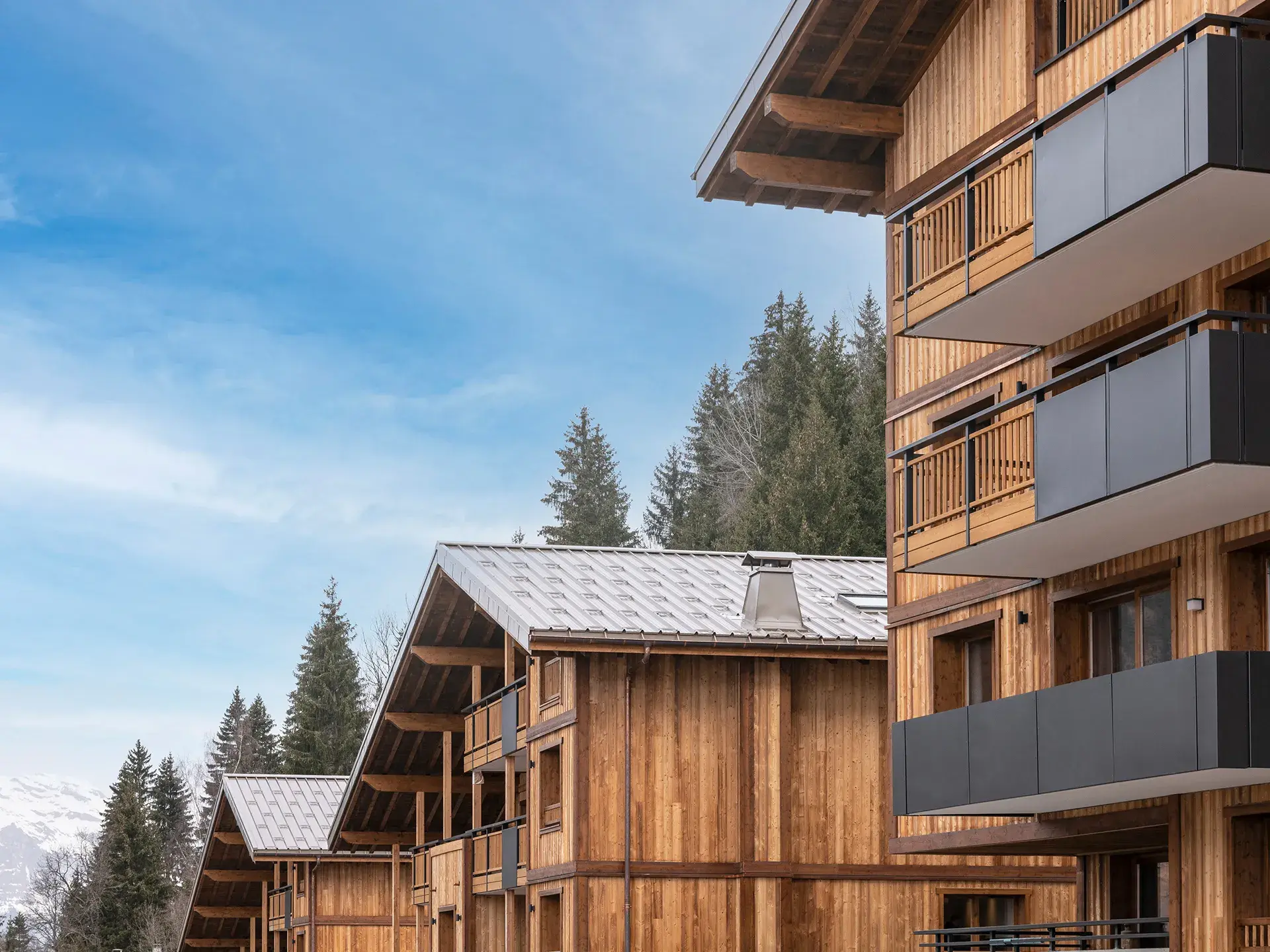
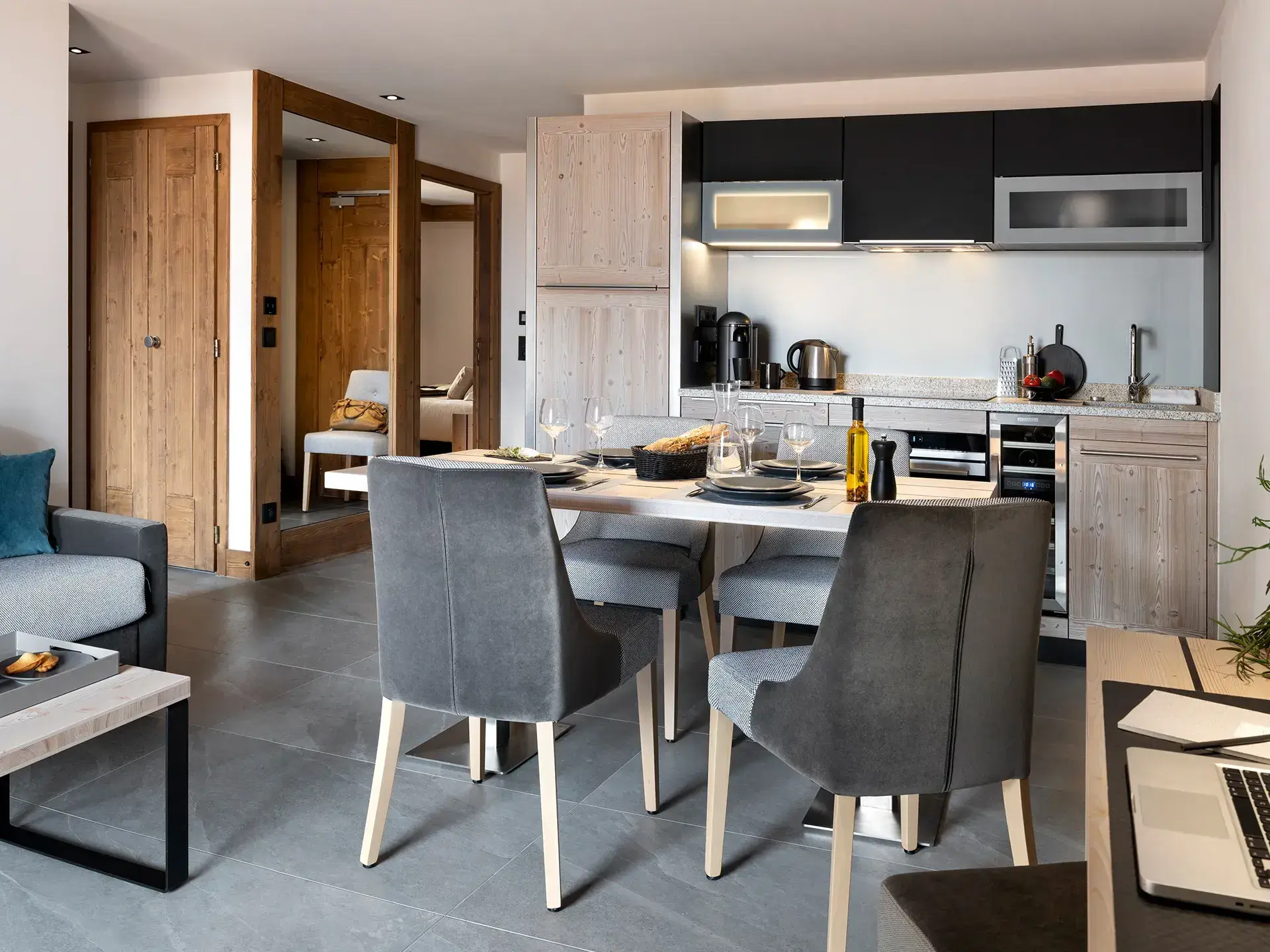
Residence Alhéna
From 2-bedroom to 3-bedroom
From 412 500 € excl. VAT
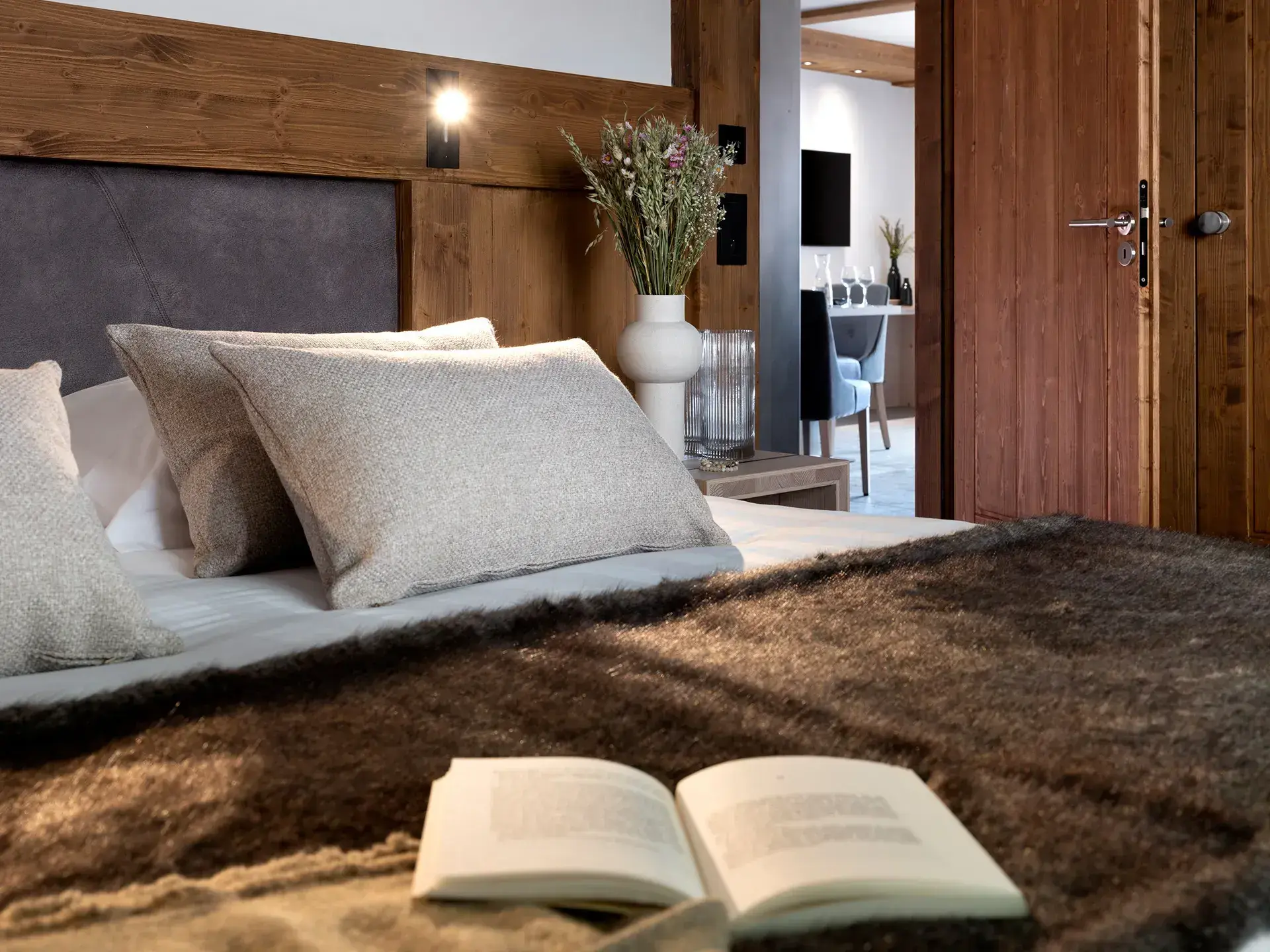
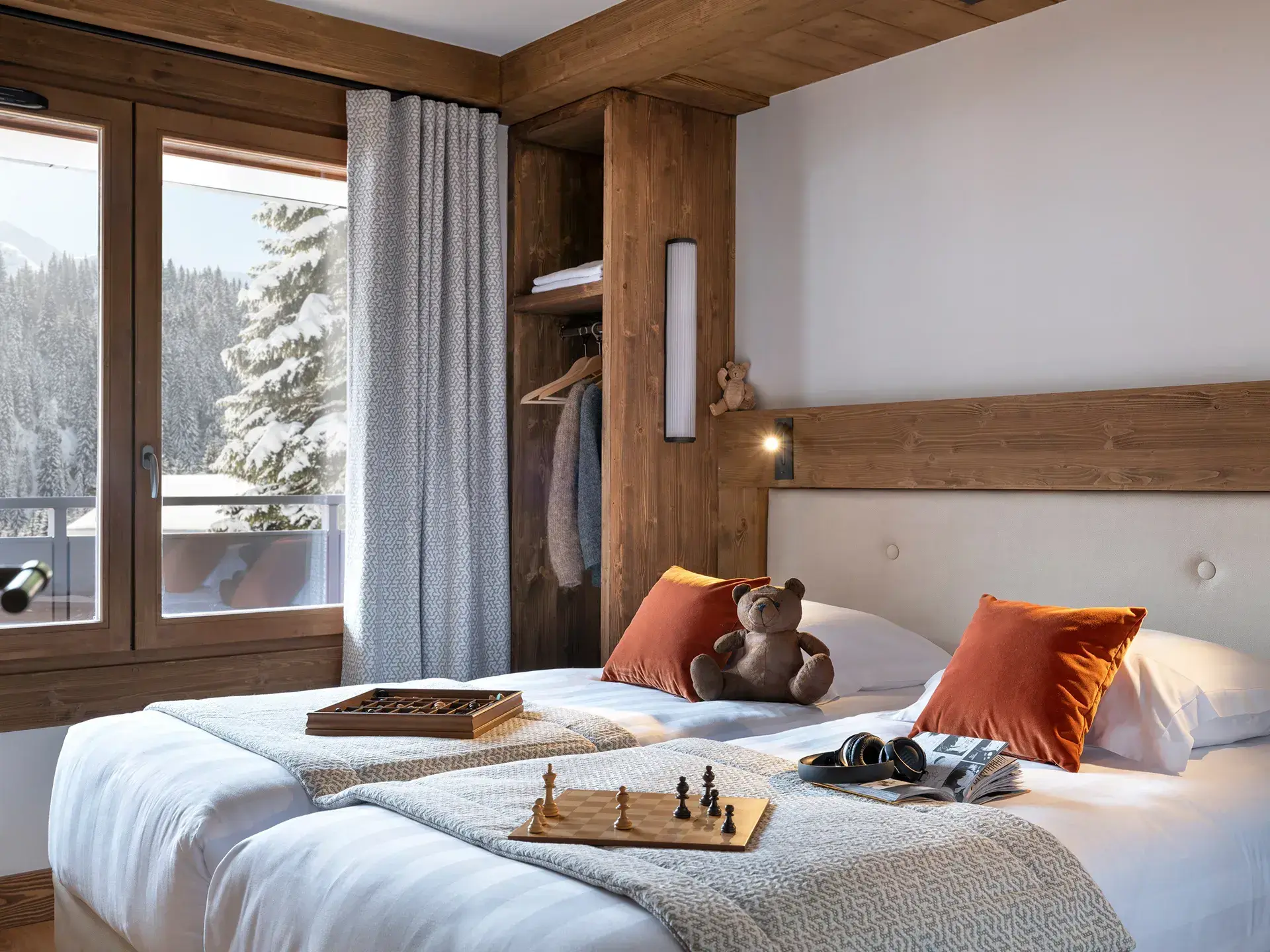
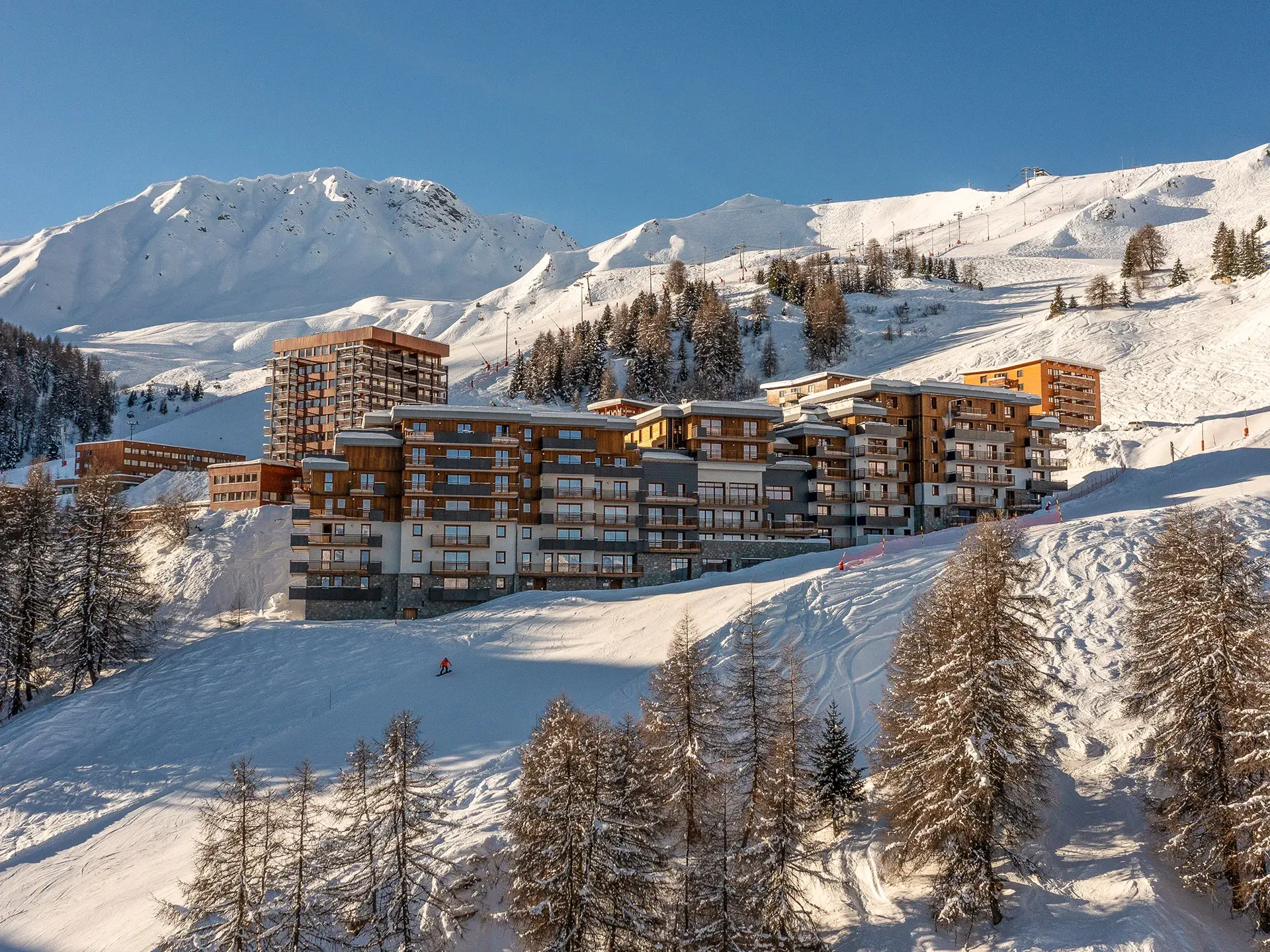
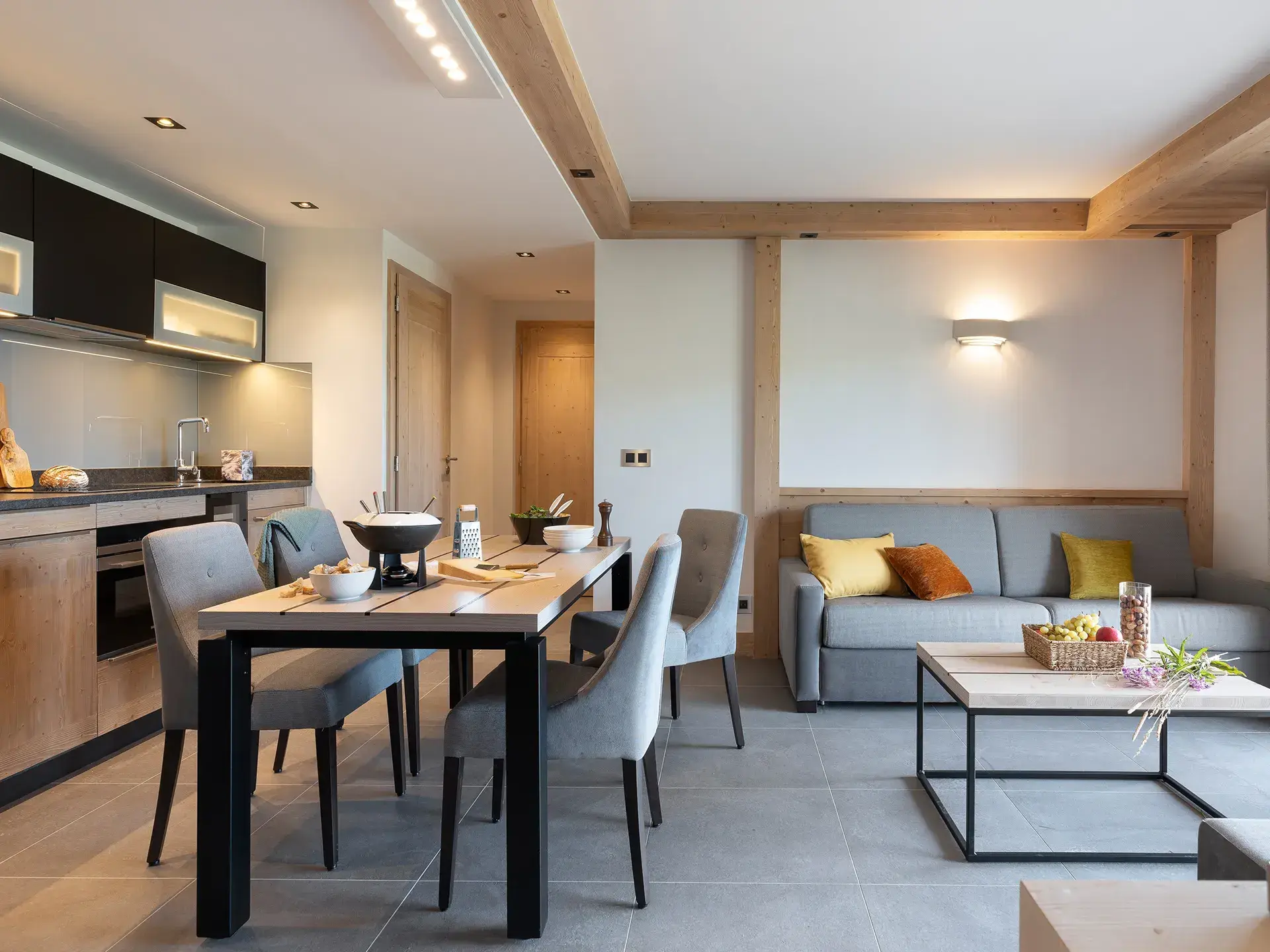
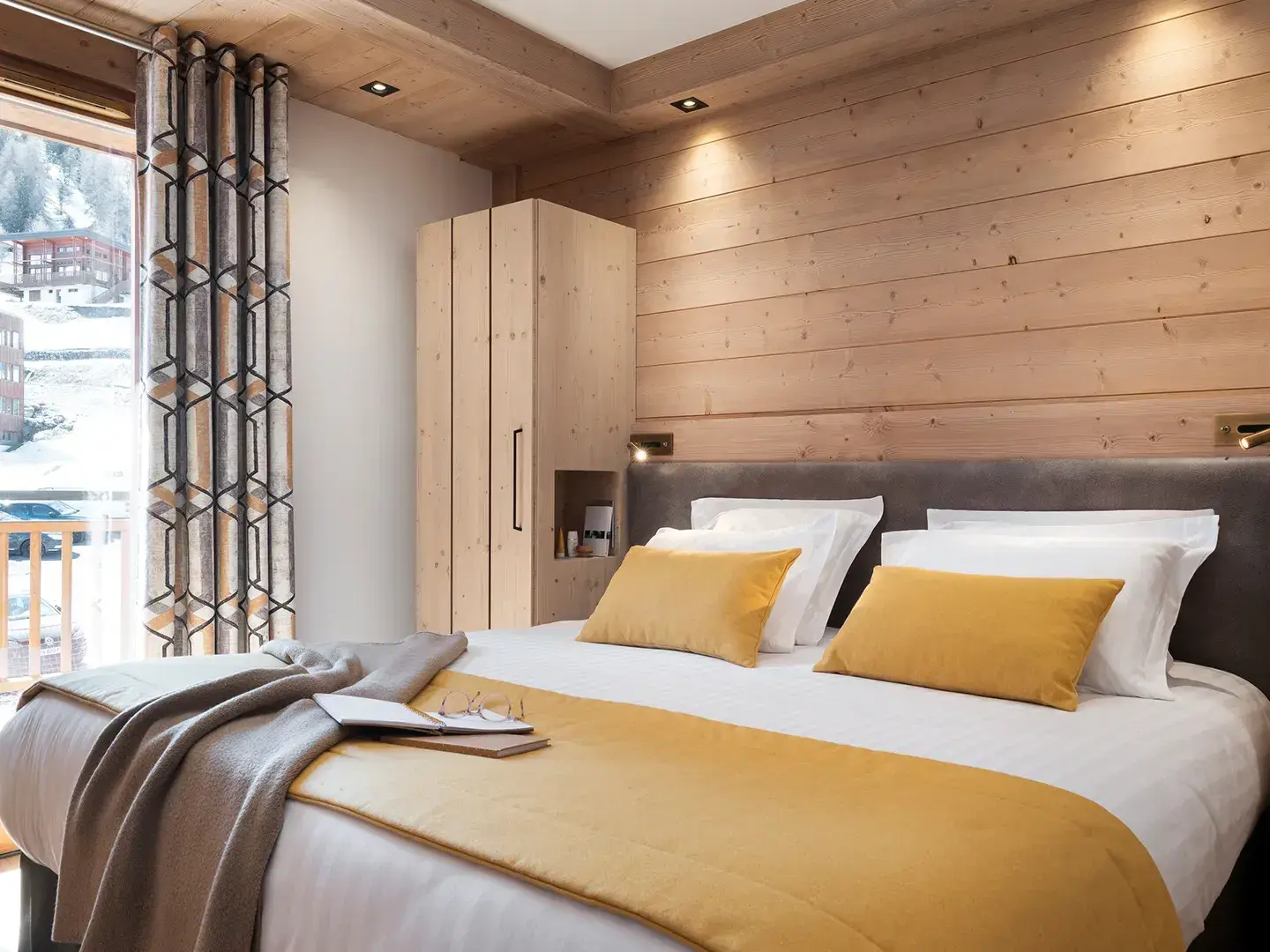
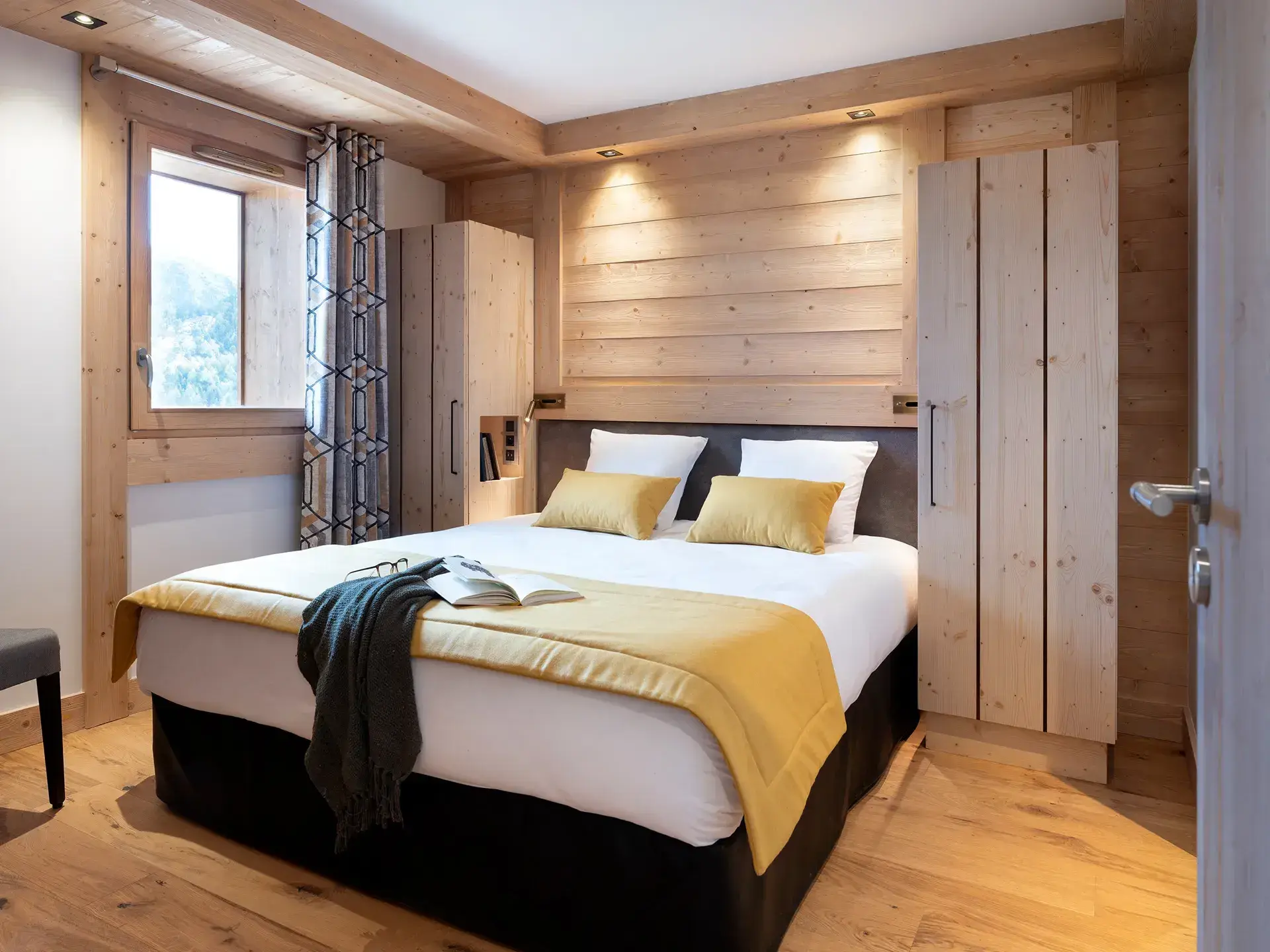
La Plagne (73)
Residence Manaka
From 1-bedroom to 3-bedroom
From 345 834 € excl. VAT
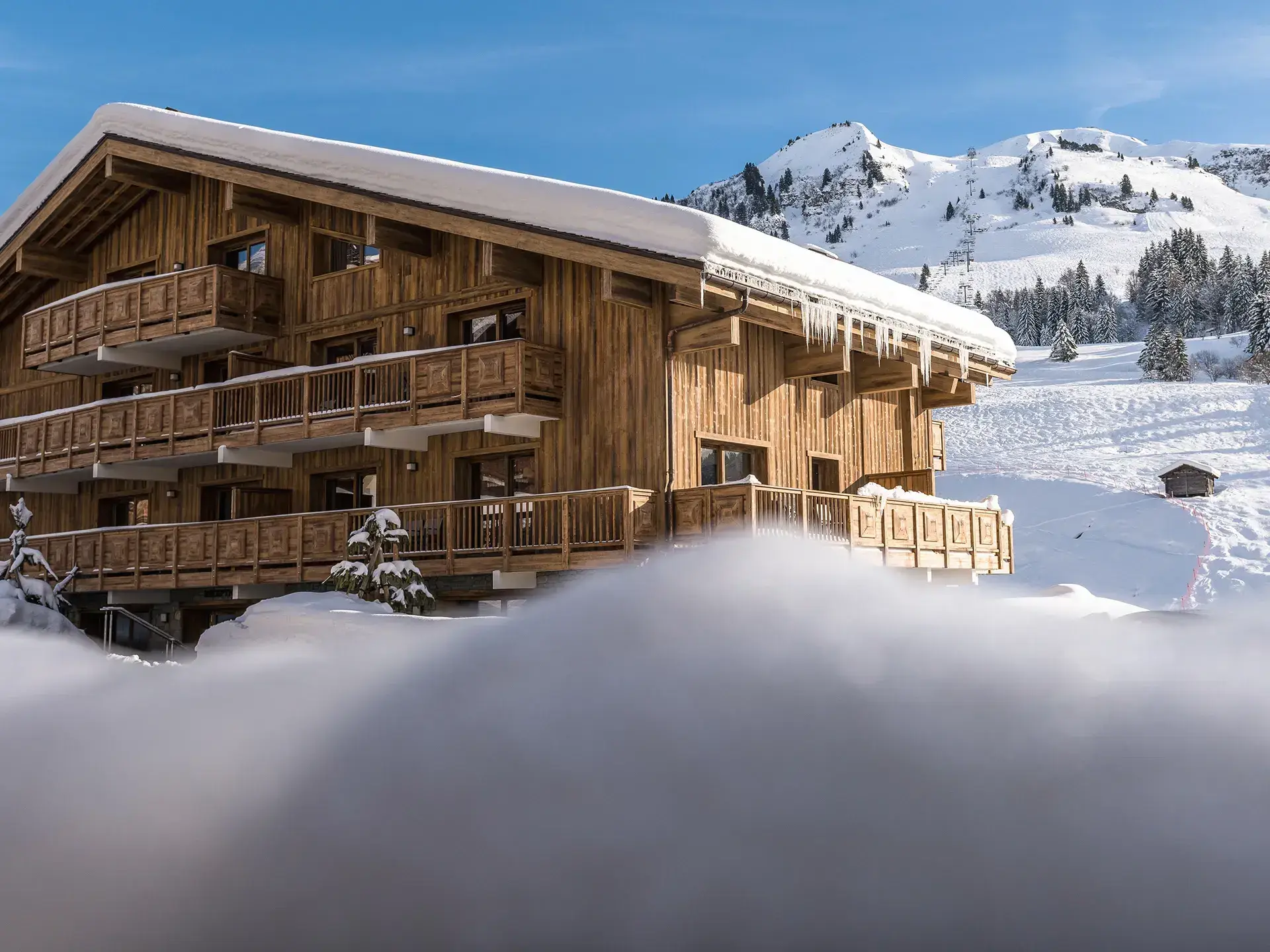
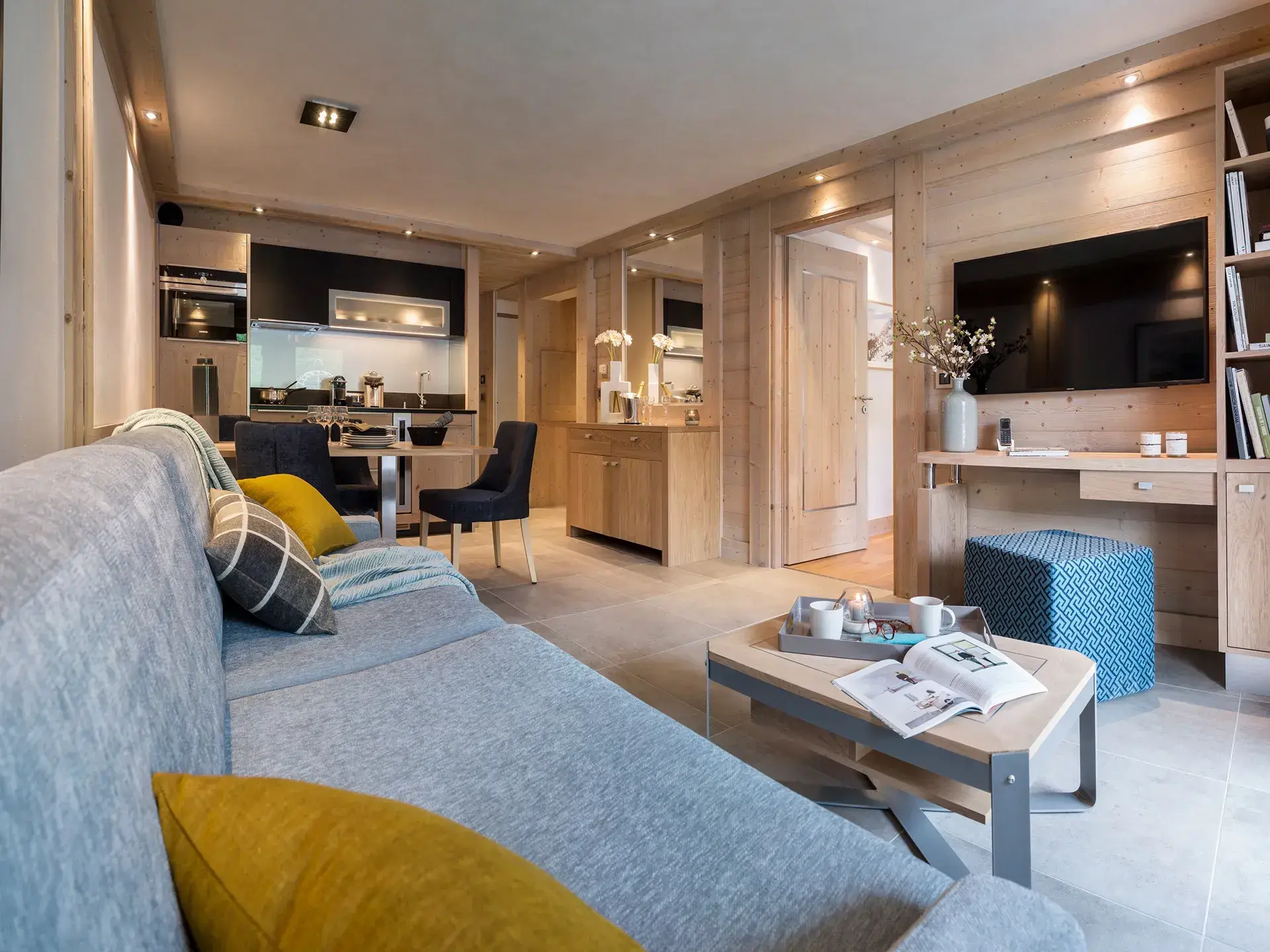
Le Grand-Bornand (74)
Le Roc des Tours
4-bedroom Duplex
From 741 667 € excl. VAT
Manigod La Croix-Fry (74)
Hameau de l'Ours
From 2-bedroom to 2-bedroom Duplex
From 412 500 € excl. VAT